
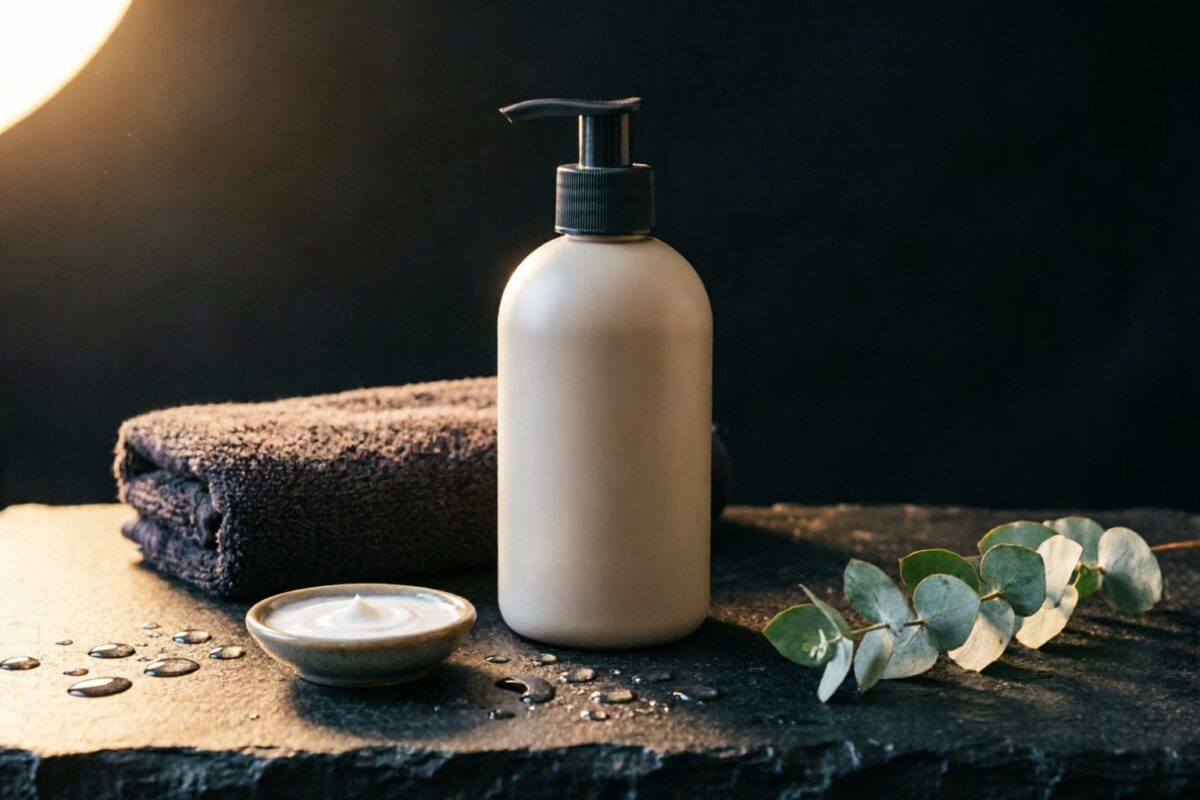
Allure’s October 28 guide to moisturizing body washes opens with a familiar winter complaint: skin feels tight after a shower. That sensation is a useful signal. A cleanser may be lifting more oil than dry skin can comfortably lose, or the water may be hot enough to make the problem worse. The 2026 market offers richer gels, creams, and oils that promise a softer finish, but the category is easy to oversell.
A moisturizing body wash is a gentler first step, not a replacement for lotion. It can reduce the stripped feeling left by a strong cleanser. It cannot keep dry skin supplied with water after a rinse-off product has gone down the drain. The useful question is whether it cleans effectively while leaving a comfortable base for moisturizer.
Why Winter Changes the Cleanser Brief
Cold outdoor air tends to hold less moisture, and heated indoor air can keep humidity low. Skin may lose water more readily in that environment, especially when long, hot showers remove surface oils. The American Academy of Dermatology recommends short, lukewarm baths or showers and a gentle cleanser for dry skin. That advice matters more than a product’s seasonal label.
Body wash cleansers contain surfactants, which help water lift oil, sweat, and debris. Strong cleansing suits post-exercise skin, not a cold morning when skin already feels rough. Moisturizing formulas often use a less aggressive surfactant blend and add glycerin, oils, butters, or occlusives. Those additions can soften the wash, but contact is brief and the product is rinsed away.
Texture changes the experience. A cream wash may feel cushioned and leave a slight film; a gel usually feels lighter. Neither is automatically better. Very dry skin may appreciate a cream that rinses clean. Someone prone to body breakouts may prefer a lighter gel, then use a suitable moisturizer. The tradeoff is comfort versus residue.
What a Moisturizing Body Wash Can and Cannot Do
Humectants such as glycerin attract water. Emollients soften the surface, while occlusives slow water loss. Ceramides are barrier-supporting lipids. These ingredients can help in a wash, but the rinse-off format limits how much remains. A leave-on cream or ointment does the heavier work after bathing.
The AAD notes that ointments and creams can be more effective than lotions for very dry skin because lotions contain more water and feel less sealing. The best follow-up still depends on the body area and weather. A lightweight lotion can work on a humid day. A cream is easier to justify on shins, elbows, and hands during a cold snap.
Be skeptical of any wash presented as a complete winter body-care routine. Claims about lasting moisture can reflect controlled testing conditions, ingredient function, or a combination of both. They do not prove that every user will skip the tight feeling after a hot shower. A product should earn its place through a comfortable rinse, no obvious stinging, and a finish that makes the next step easier. If it leaves skin itchy, tacky, or coated, the formula is not solving the problem.
This is also where fragrance matters. A pleasant scent can make a shower feel more deliberate, but fragrance is a common source of irritation for reactive skin. A product labeled fragrance-free is the safer starting point when skin is dry, cracked, or easily provoked. Unscented is not always the same as fragrance-free, so read the ingredient list rather than relying on the front label. The skincare ingredients guide explains why a short list is not automatically gentler.
Read the Formula and Shop Smarter
Start with the cleansing system, not the words “nourishing” or “hydrating.” A wash designed for dry skin should look and feel suited to the job, and it should be easy to rinse without a prolonged slippery film. A cream or oil-rich body wash is worth trying if your skin feels parched after standard gels. A lighter formula is more sensible if thick textures tend to trigger chest or back breakouts.
Next, decide whether you need fragrance. For irritated or sensitive skin, choose fragrance-free and test a small size first. If skin is flaky or cracked, avoid daily scrubs and exfoliating acids. A strong scent, tingle, or aggressive scrub is not a sign of better winter care.
Consider packaging and return terms as part of the decision. Body wash is used quickly, so a bottle that is difficult to dispense can become a daily annoyance. A large pump may be economical for a household, while a smaller tube is easier to test. If a formula is expensive, confirm the return policy before opening it. The winter body lotion guide can help pair the cleanser with a follow-up product instead of buying two rich formulas that duplicate each other.
People with diagnosed eczema, persistent itching, an active rash, or cracked skin that does not heal should not rely on shopping alone. Body wash can support a routine, but it is not treatment for a skin condition. The same is true for someone whose skin stings with many products. In that case, a clinician’s guidance and a fragrance-free regimen are more useful than chasing the most emollient new launch.
Build a Bath Routine That Holds Moisture
Keep the shower lukewarm and brief. The AAD recommends limiting baths and showers to 5 to 10 minutes, and that is a practical starting point for winter skin. Use a small amount of body wash on the areas that need cleansing rather than coating the entire body by habit. Hands or a soft washcloth are usually enough. Save vigorous scrubbing for a specific reason, not as a daily response to rough texture.
When you step out, pat rather than rub. Apply moisturizer while skin is still damp, immediately after drying off the excess water. This is where a cream or ointment can add more protection than a lightweight lotion. Give the product a minute to settle before dressing, especially behind the knees or under tight clothing. If the first layer disappears instantly, add a thin second layer rather than reaching for a stronger cleanser next time.
Treat the routine as a sequence for the whole week. Change one variable at a time: water temperature, cleanser, or moisturizer. A new wash that feels fine during the shower but leaves tightness an hour later is not the right match. The same applies to a cream that seals well but causes sweating under clothing. Comfort should last beyond the bathroom mirror, not only while the product is visible.
The dry-skin face wash guide follows the same logic for a more sensitive area: preserve the barrier, limit exposure to hot water, and moisturize promptly. A body wash is only one part of that system. For many shoppers, the winning combination is a simple fragrance-free wash, a shorter shower, and a cream that is pleasant enough to use consistently.
Skip a new wash when the routine is the problem. If hot showers, daily scrubbing, and no moisturizer already leave skin uncomfortable, a more expensive cleanser will not fix the pattern. Start with lukewarm water and a leave-on product, then change the wash if tightness remains. Choose a formula that rinses clean without stinging, keep showers short, and moisturize damp skin right away. Replace it only if comfort improves and the product is easy to use daily.
Sources
- Allure. 8 Best Moisturizing Body Washes 2026 for Dry, Itchy Skin. October 28, 2026.
- American Academy of Dermatology. Dermatologists’ top tips for relieving dry skin.
