
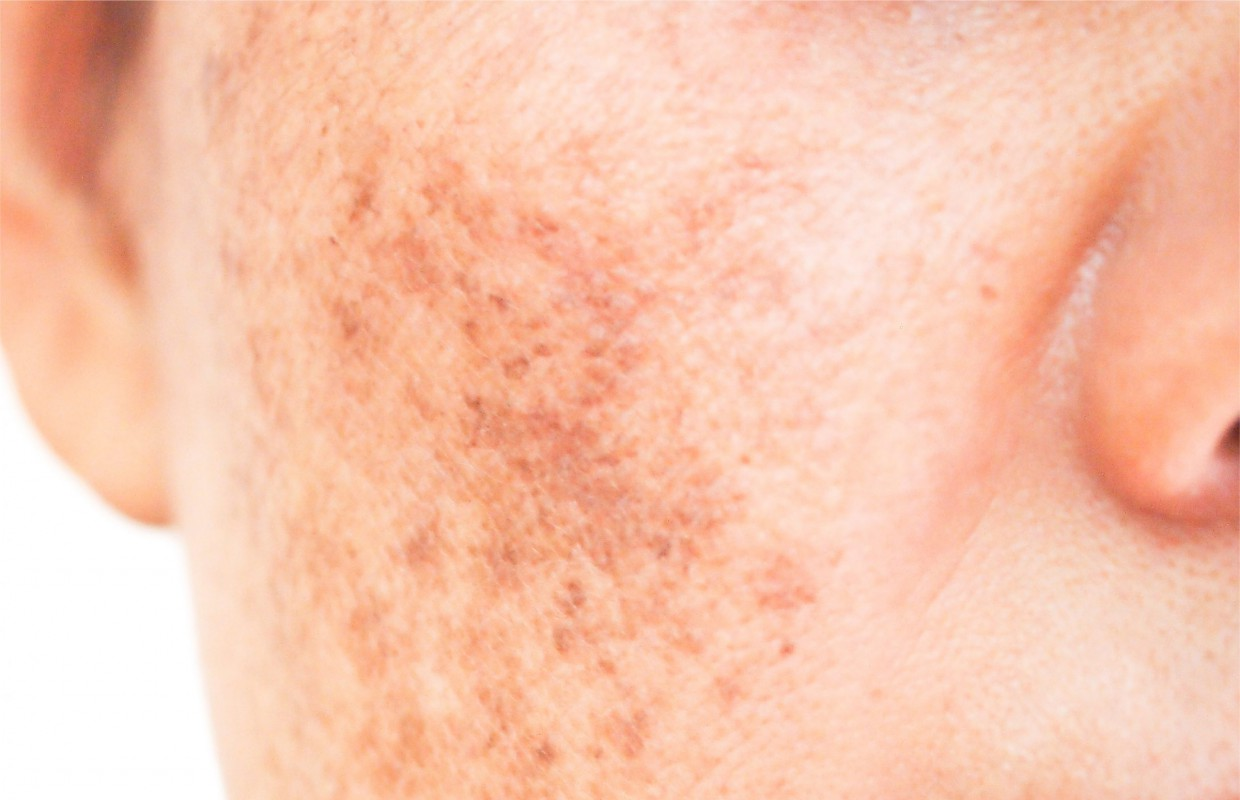
How to Fade Sun Spots After Summer: 7 Expert-Backed Ways to Restore Even, Glowing Skin
You did everything right.
You applied sunscreen every morning, wore sunglasses, covered up when the sun was strongest, and tried your best to protect your skin. Yet, as summer comes to an end, you suddenly notice something frustrating: dark spots, uneven tone, and stubborn discoloration appearing on your skin.
If this sounds familiar, you’re not alone.
Many people discover the effects of summer sun exposure months later. The reason is that pigmentation often develops gradually. Even small amounts of UV exposure—and even heat from the sun—can stimulate pigment-producing cells, leading to visible brown spots over time.
The good news? Post-summer pigmentation can often be improved with the right skincare strategy and professional guidance when needed.
The key is understanding how to calm pigment activity, support skin renewal, and prevent new discoloration from forming.
Here are seven effective ways to help fade sun spots and restore a brighter-looking complexion.
1. Start Treating Sun Spots at the Right Time
Timing matters when dealing with pigmentation.
Late fall and winter are often ideal seasons to focus on fading sun spots because your skin experiences less intense sunlight and heat exposure. During summer, pigment-producing cells are constantly being stimulated by UV rays and high temperatures, making it harder to see progress.
Once the weather cools down, your skincare routine has a better chance to work because your skin is under less environmental stress.
Of course, sun protection remains important all year. Even during colder months, daily sunscreen helps prevent existing pigmentation from becoming darker and protects your future results.
2. Avoid Anything That Creates Excess Skin Stress
When trying to improve discoloration, many people focus only on adding stronger products. However, reducing unnecessary irritation is equally important.
Aggressive friction and inflammation can make the skin more reactive.
Consider taking a break from:
- Harsh scrubbing
- Overuse of exfoliating tools
- Aggressive at-home microneedling devices
- Rough cleansing brushes
Your goal is to create a calm environment where the skin can naturally recover.
A gentle skincare routine often works better than constantly pushing the skin with stronger treatments.
3. Keep Your Skin Cool and Avoid Excess Heat
Most people know UV rays can trigger pigmentation, but heat is another factor that can influence pigment activity.
During the recovery process, try to avoid excessive heat exposure, such as:
- Long periods in direct sunlight
- Hot yoga
- Saunas and steam rooms
- Overheated environments
If your skin feels warm or looks flushed, cooling skincare products or a soothing gel mask can provide temporary comfort.
Keeping the skin calm helps maintain a healthier environment for pigment improvement.
4. Use Ingredients That Target Uneven Skin Tone
When it comes to fading sun spots, consistency matters more than using dozens of products.
Certain skincare ingredients are commonly used to support brighter, more even-looking skin.
Vitamin C
Vitamin C is a popular antioxidant ingredient that helps improve the appearance of dullness and uneven tone. It can also help protect skin from environmental stress when used consistently.
Retinol
Retinol supports skin renewal by encouraging the turnover of surface skin cells. Over time, this can help improve the appearance of discoloration and texture.
Exfoliating Acids
Ingredients such as:
- Glycolic acid
- Lactic acid
- Salicylic acid
can help remove buildup of dead skin cells and reveal smoother-looking skin.
However, using too many active ingredients at once may cause irritation, so introduce them gradually.
5. Build a Smart Morning and Evening Routine
A simple routine can make a big difference when targeting sun spots.
Morning Routine
A pigmentation-focused morning routine may include:
Step 1: Gentle Cleanser
Use a cleanser that removes impurities without stripping the skin barrier.
Step 2: Antioxidant Serum
Apply a vitamin C serum or another antioxidant product to support brighter-looking skin.
Step 3: Moisturizer
Choose hydration based on your skin type.
Step 4: Sunscreen
This is the most important step.
Without daily sun protection, new pigmentation can continue to develop and existing spots may become darker.
Evening Routine
Nighttime is when skin naturally enters its repair process.
A simple evening routine may include:
Step 1: Remove Sunscreen and Makeup
Use a gentle cleanser to remove daily buildup.
Step 2: Apply Treatment Products
Depending on your skin tolerance, you may rotate between:
- Exfoliating acids
- Retinol products
- Brightening serums
Avoid using every active ingredient on the same night, as this may increase irritation.
Step 3: Moisturize
Finish with a moisturizer that supports your skin barrier.
6. Consider Professional Treatments for Stubborn Pigmentation
Sometimes skincare products can improve mild discoloration, but deeper pigmentation may require professional treatments.
A dermatologist or licensed skincare professional may recommend options such as:
Chemical Peels
Chemical peels use carefully selected ingredients to remove damaged surface cells and improve skin tone.
Different peel strengths are suitable for different skin types and concerns.
IPL (Intense Pulsed Light)
IPL treatments use light-based technology to target certain types of pigmentation caused by sun exposure.
Professional treatments should always be performed by qualified providers who understand your skin type and concerns.
7. Be Patient and Protect Your Results
Sun spots rarely appear overnight, and they usually do not disappear overnight either.
The most successful approach combines:
- Consistent skincare
- Daily sunscreen
- Gentle exfoliation
- Skin barrier protection
- Healthy lifestyle habits
Remember, preventing new pigmentation is just as important as treating existing spots.
Final Thoughts
Summer may leave behind beautiful memories, but it can also leave visible reminders on your skin.
Dark spots and uneven tone are common after months of sun exposure, but they do not have to define your complexion. With the right combination of protective habits, targeted ingredients, and professional options when necessary, you can help your skin return to a smoother and more balanced appearance.
The secret is not chasing quick fixes—it is creating a skincare routine that supports your skin consistently, season after season.


发表回复