
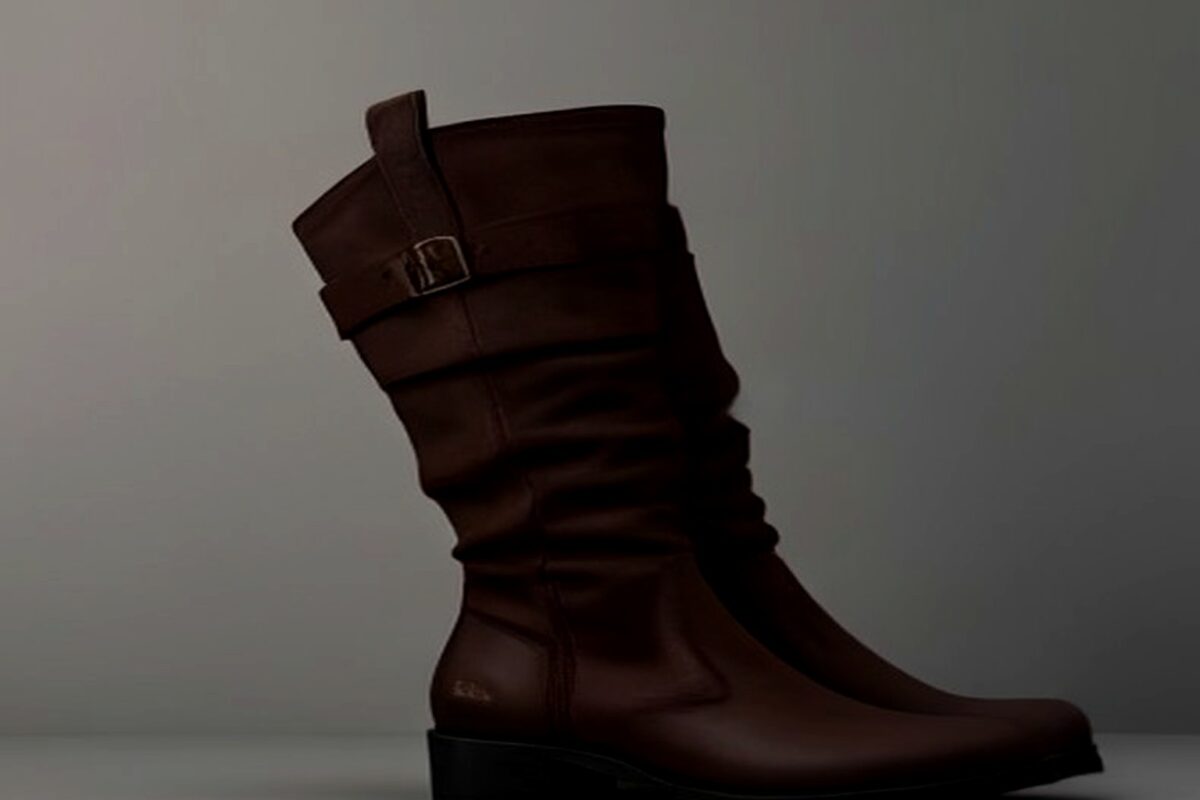
Boot season has a predictable shape, and this year the data is unusually clear about where it is heading. Chunky block-heel ankle boots have shown the most consistent growth of any women’s footwear category through the back half of the year, with search volume and retail sales both peaking in December. Statement boots — knee-high, slouchy, hardware-heavy — are the other direction doing well at the higher end.
Those two facts point to a useful split. The chunky ankle boot is the one you will actually wear four days a week. The statement boot is the one you will wear to the thing you bought it for. Buying both is not necessary; knowing which one you need is.
1. The Chunky Block-Heel Ankle Boot
This is the workhorse of the season and the safest money you can spend on footwear right now. A block heel distributes weight across the whole heel rather than a point, which is why a 60 mm block is genuinely comfortable for a full day in a way a 60 mm stiletto is not.
What to look for: a heel between 50 and 70 mm, a shaft that hits at or just above the ankle bone, and a slightly rounded or squared toe. Leather or suede over synthetic — the synthetic versions crease permanently within a month, and no amount of care fixes that.
What it goes with: everything. Straight-leg jeans, tailored trousers, midi skirts, knit dresses. This is the boot that makes the rest of a fall wardrobe work, which is why it is worth spending more here than on any other pair.
Colour: dark brown is the most useful this season because it works with the warm neutral palette that dominates fall clothing — camel, oatmeal, chocolate, burgundy. Black is second. Anything else is a third pair, not a first.
2. The Knee-High or Slouchy Statement Boot
Knee-high boots are back in a specific form: softer shafts that slouch slightly rather than gripping the leg, often in suede, sometimes with a low block heel. The slouch is the detail that separates a current pair from the stiff equestrian style that reads as dated.
The fit problem to solve first. Knee-high boots fail on calf fit more than any other factor. Measure your calf at its widest point before you shop, and check the shaft circumference in the product details. A boot that is even 2 cm too narrow will not zip, no matter how good it looks on the model.
What it goes with: midi and mini skirts, short knit dresses, and straight-leg jeans worn over the shaft. Not with wide-leg trousers — the volume fights the shaft and you lose the line that makes the boot worth wearing.
3. The Flat or Low-Wedge Boot for Actual Walking
The least discussed and most worn category. A flat ankle boot or a low wedge in a weather-resistant leather is what you will reach for on the days you are commuting, running errands, or standing for hours. It is not the pair that gets photographed, and it is the pair that gets worn out first.
What to look for: a rubber or lug sole rather than a smooth leather one — this is the single detail that determines whether the boot survives wet pavement. A slightly padded insole. And a shaft that does not rub the ankle bone; if it does in the shop, it will do it worse after an hour of walking.
What to Skip This Season
- Extremely high platforms. They photograph well and are genuinely hazardous on wet leaves and ice, which is most of the season in most of the country.
- Overly specific hardware. Buckles, chains, and studs date fast. If the hardware is the entire design, the boot has a one-season lifespan.
- Very pale suede. Beautiful for a week. Then it is a maintenance project, and salt stains in January are not recoverable.
- A fourth pair of black ankle boots. If you already own a pair that fits, the money is better spent on the brown version, which is what this season’s clothing actually calls for.
Care, Because Suede Is Half of What Is on Sale
Most of this season’s boots are suede, and suede needs protection before the first wear, not after the first stain. Spray a protective coating on new suede and let it cure for 24 hours before wearing. Brush with a suede brush after each wear to lift the nap. If they get wet, let them dry at room temperature, stuffed with newspaper — never near a radiator, which will stiffen the leather permanently.
For smooth leather, condition twice a season and use shoe trees. A pair of cedar trees costs less than a resole and roughly doubles the life of the boot.
Buying Timing
Ankle boot inventory peaks in December, which means that is also when the deepest discounts appear on the styles that did not sell. If you want a specific pair in a specific size, buy now. If you are flexible on colour and can wait, late December through early January is when the same boots drop 30 to 50 percent.
The Bottom Line
Buy the chunky block-heel ankle boot first — it is the pair the season is built around and the one you will wear most. Add a knee-high or slouchy pair only if you have measured your calf and the shaft fits. Keep one flat, weatherproof pair for the days that are about walking rather than looking. Three pairs cover the entire season, and the third one is the one you will wear out first.

[…] patterned pair with a pointed flat creates more contrast. Neither is better for every outfit. The fall boot guide can help decide whether the boot shaft and tight color belong […]