
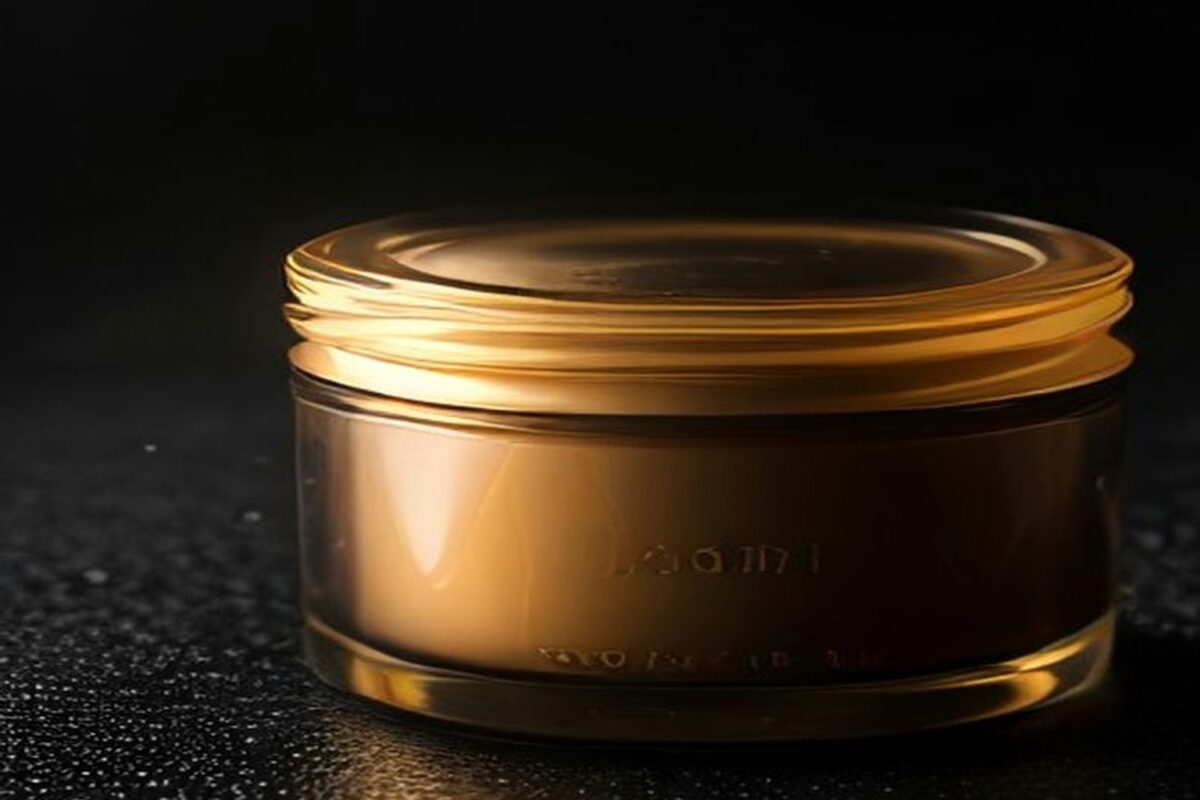
Eye cream has a reputation problem. Half the internet says it is a marketing trick — just use your regular moisturizer. The other half swears by $80 jars of eye serum. The truth, as usual, is somewhere in the middle, and it comes down to one thing: most people apply eye cream incorrectly, and then blame the product when it does not deliver.
Here is what eye cream actually does, when it makes sense to use one, and how to apply it so you are not wasting your money — or your skin.
Do you actually need a separate eye cream?
The skin around your eyes is different from the rest of your face. It is the thinnest skin on your body — about 0.5mm compared to 2mm on your cheeks — and it has almost no sebaceous (oil) glands. That means it loses moisture faster, shows dehydration lines more easily, and is more sensitive to active ingredients.
So yes, the eye area genuinely benefits from a dedicated product. Not because eye creams contain magic ingredients — they often contain the same actives as face moisturizers — but because the formulation is adjusted for thinner, more reactive skin. Lower active percentages, gentler preservatives, richer emollients.
If your face moisturizer is lightweight and non-irritating, you can technically use it around the eyes. But if your moisturizer contains retinol, strong acids, or fragrance, a dedicated eye cream is worth it.
What eye cream can and cannot do
Let’s be clear about expectations:
- It can: Hydrate the eye area, reduce fine lines caused by dehydration, plump crepey texture, improve the appearance of tiredness, and create a smooth base for concealer.
- It cannot: Remove genetic dark circles (pigmentation or structural shadows), eliminate puffiness caused by anatomy, or reverse sagging that requires a dermatologist or procedure.
If your dark circles are caused by thin skin showing the muscle and blood vessels underneath, no cream will fix that. If your puffiness is a fat pad (not fluid), eye cream will not flatten it. Managing expectations is the first step to using eye cream well.
Ingredients that actually work around the eyes
- Peptides: Signal the skin to produce more collagen. Over time, they improve firmness and reduce the look of fine lines. Look for copper peptides or matrixyl.
- Caffeine: Constricts blood vessels slightly, reducing the look of dark circles caused by visible capillaries and depuffing fluid retention. Effects are temporary but real.
- Ceramides and hyaluronic acid: Rebuild the moisture barrier and plump dehydration lines. This is where most of the visible improvement comes from.
- Retinol (eye-specific): Low-concentration retinol formulated for the eye area can improve fine lines over months. Use only at night and only products specifically labeled for eyes.
- Niacinamide: Strengthens the barrier and can reduce pigmentation over time. Gentle enough for the eye area.
The application mistake everyone makes
Here is the part where most people go wrong. The standard application — a dab of cream under each eye, then rubbed in with the ring finger — is both too much pressure and too much movement for the thinnest skin on your face.
The correct technique:
- Use a pea-sized amount for both eyes. Yes, both. Half a pea per eye is more than enough.
- Dab, do not rub. Use your ring finger — it is the weakest finger, which means it applies the least pressure. Tap the product gently along the orbital bone, starting at the inner corner and moving outward.
- Follow the bone, not the eye. The cream should sit on the orbital bone (the ridge you can feel under your eye), not directly on the lower lash line. Product migrates upward as it warms, so applying it slightly lower ensures coverage without irritation.
- Do not forget the upper lid. Lightly tap any remaining product on the upper lid, from inner to outer corner. This area is often neglected but is where crepiness shows first.
- Wait before concealer. Give the cream 60 seconds to absorb. Applying concealer immediately will sheer it out and create a patchy look.
Morning vs. night: two different creams
The skin around your eye has different needs at different times:
Morning: You need hydration, caffeine (for depuffing), and SPF protection. Eye creams with caffeine and antioxidants are ideal for AM use. If your eye cream does not contain SPF — and most do not — be diligent about extending your facial sunscreen to the orbital bone.
Night: This is when you want repair-focused ingredients: peptides, ceramides, and (if tolerated) a low-dose retinol. Night creams are typically richer and do not need to absorb instantly.
Using the same cream twice a day is fine, but if you are investing in a product, the morning/night split gives you better results.
When to start using eye cream
There is no magic age, but the skin around the eye starts showing dehydration lines in the mid-twenties for most people. If you smile and see fine lines that disappear when your face is relaxed, those are dehydration lines — and an eye cream with hyaluronic acid and ceramides will smooth them out within a week.
Static lines (lines that stay even when your face is relaxed) start appearing in the early thirties. This is when peptides and retinol become worth the investment. Earlier than that, prevention and hydration are all you need.
The takeaway
Eye cream is not a scam, and it is not a miracle. It is a targeted moisturizer for an area of skin that needs different care — gentler, richer, and applied with more patience. The ingredients that work are well-documented. The application technique matters as much as the formula. And managing expectations about what is structural versus what is dehydration-related will save you from both disappointment and wasted money.
If you take one thing from this article: stop rubbing. Tap. Along the bone. Half a pea. Both eyes. That alone will make whatever eye cream you already own work better.
