
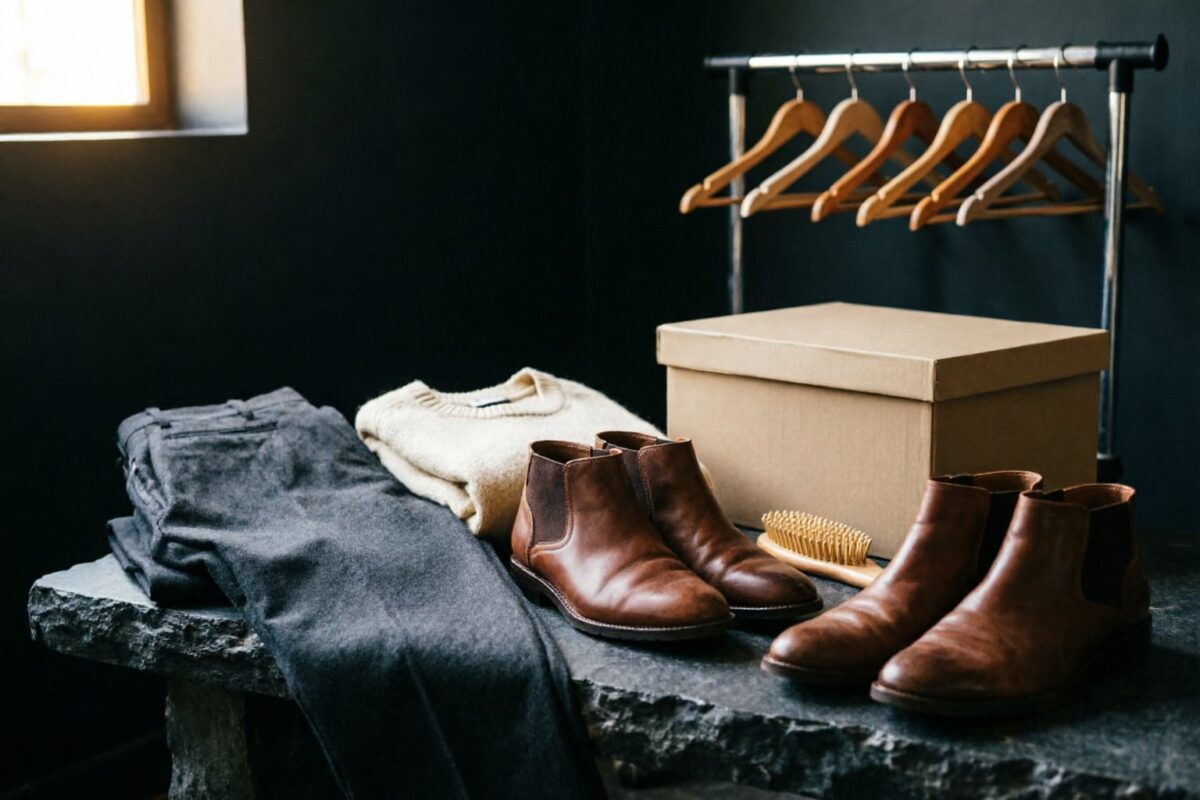
Who What Wear’s November 1 closet guide frames the seasonal wardrobe edit as less of a purge and more of a diagnostic task. The useful question is not simply whether an item has been worn lately. It is whether the piece fits, supports the way you live, and can be maintained through another season. A closet cleanout works best when it produces clear next steps rather than another bag of clothes waiting beside the bedroom door.
The timing matters. Winter layers are coming into rotation, holiday clothing is competing for space, and shoppers are beginning to see early spring 2027 trends. Buying before understanding the gaps can create duplicates. A focused review can reveal which coat needs a repair, which boots are finished, and which pieces already work together. The goal is a smaller set of useful decisions, not an emptier closet for its own sake.
Start With One Category
Who What Wear’s closet organizers recommend working through one category at a time. That is more manageable than pulling every garment into a pile. Start with the category causing the most friction: coats, shoes, knitwear, trousers, or evening pieces. Remove only that group, clean the empty area, and make decisions before bringing anything else into the review.
Begin with an honest fit check. Try the item on with the shoes and layers you would normally wear. Sit down, raise your arms, and check whether the closure stays comfortable. A coat that cannot fit a sweater underneath may still work for a mild day, but it should not be counted as winter outerwear. A pair of trousers that needs constant adjustment is not useful simply because the fabric looks good.
Keep a small set of questions beside the mirror: Does it fit now, not someday? Can it complete at least three outfits? Is the condition good enough for the place I plan to wear it? Would I buy it again at its current condition? These questions separate genuine wardrobe value from the sunk cost of an item that was expensive or once popular.
Make One of Four Decisions
Every item can leave the review with one clear destination. The categories should be specific because vague intentions produce clutter. Label bags or boxes as keep, repair, second life, or recycle.
- Keep: The piece fits, suits your routine, and belongs where you can see it. Put it back immediately in the section where you will look for it.
- Repair: The item has a defined fix, a willing professional, and a realistic return date. A zipper replacement, hem, button repair, or resole can make sense for a coat, blazer, denim, leather shoe, or well-made dress.
- Second life: The item is clean, wearable, and suitable for donation, consignment, or direct resale. Decide which route fits the condition and your available time.
- Recycle: The piece is worn through or unfit to pass on. Separate it from donation and look for a local textile-recycling option that accepts the material.
A repair pile needs a deadline. Put the date on the bag and price the fix before committing. Replacing a zipper can be worthwhile on a favorite coat; an extensive alteration may cost more than the item’s remaining usefulness. If the repair has not been handled by the deadline, move the piece into the next decision. The tradeoff is straightforward: keep the item only when the planned work is likely to happen.
Do not confuse aspirational sizing with wardrobe planning. Keeping several sizes can be practical for intentional weight or body changes, but that collection needs a clear place and limit. If the bin is hidden, overflowing, and never opened, it is storage debt rather than a plan. The fall wardrobe essentials guide can help identify layers that deserve scarce hanging space.
Give Each Item a Real Next Home
Separate clothing that is wearable from clothing that is merely clean. Who What Wear’s source article makes the point directly: an item should not be donated only because leaving it at a drop-off feels convenient. Check closures, stains, odors, and holes. Local charities may have different needs, and some resale stores publish acceptance standards. A quick call can prevent a donation bag from becoming someone else’s disposal problem.
The EPA reported that U.S. textile generation reached 17 million tons in 2018, with 11.3 million tons going to landfills that year. It also reported a 13 percent recycling rate for clothing and footwear in 2018. Those figures are not a current count of every individual donation, but they show why condition and destination matter. Reuse is valuable when a garment is genuinely wearable; recycling is the fallback when the material itself can be processed.
Resale is best for items with clear demand, complete components, and a price that justifies photographs, messages, and shipping. Consignment can reduce the labor, though the seller usually receives only a share of the sale. Donation suits wearable pieces when the organization can use them. Textile recycling fits stained, torn, or outdated items that can still be converted into another material stream. Choose the route before anything leaves the house.
Skip the resale process when the effort is worth more than the likely return. A pile of low-value items can sit unsold for months while the closet remains crowded. Bundle inexpensive pieces only if the platform permits it and the listing stays honest. For shoes, confirm the return or acceptance policy before cleaning them further. The fall boot guide can help distinguish a resolable style from one that has reached the end of its useful life.
Location matters as much as intention. Identify the donation center, consignment appointment, resale pickup, or textile bin before the review begins. Put the outbound items in the car or by the exit and schedule the drop-off. A clean closet is not finished while the unwanted clothes are still occupying the hallway.
Prevent the Clutter From Returning
Write down the gaps as you sort. A missing fine-knit layer is more useful than a general plan to buy more winter clothes. Note the color, fabric, fit, and maximum price you are willing to pay. Keep the list for a week so the need does not disappear as soon as a sale arrives. This is also the point to decide whether an item is better repaired than replaced.
Store the kept pieces in a way that makes duplicates visible. Group coats together, then knitwear, trousers, shoes, and event clothing. Keep one small repair bin rather than scattering projects through the wardrobe. Use the same hanger style within a category when possible, but do not buy a new organizing system before the old one has been sorted.
A practical sequence is: choose one category, try items on, assign one destination, price repairs, schedule the outbound route, write gaps, and return only the keepers. Repeat for the next category another day. This avoids a full-floor purge that feels productive but leaves decisions unfinished.
The decision rule: keep what fits and supports several outfits, repair what has a realistic fix, pass on only clean and wearable items, and recycle what cannot be used again. If the season change makes the closet feel chaotic, sort one category and finish the outbound task before buying anything new.
Sources
- Mayhew, Sierra. The 2026 Closet Clean-Out Guide: How to Know What to Keep, Toss, and Replace. Who What Wear, November 1, 2026.
- U.S. Environmental Protection Agency. Textiles: Material-Specific Data.
