
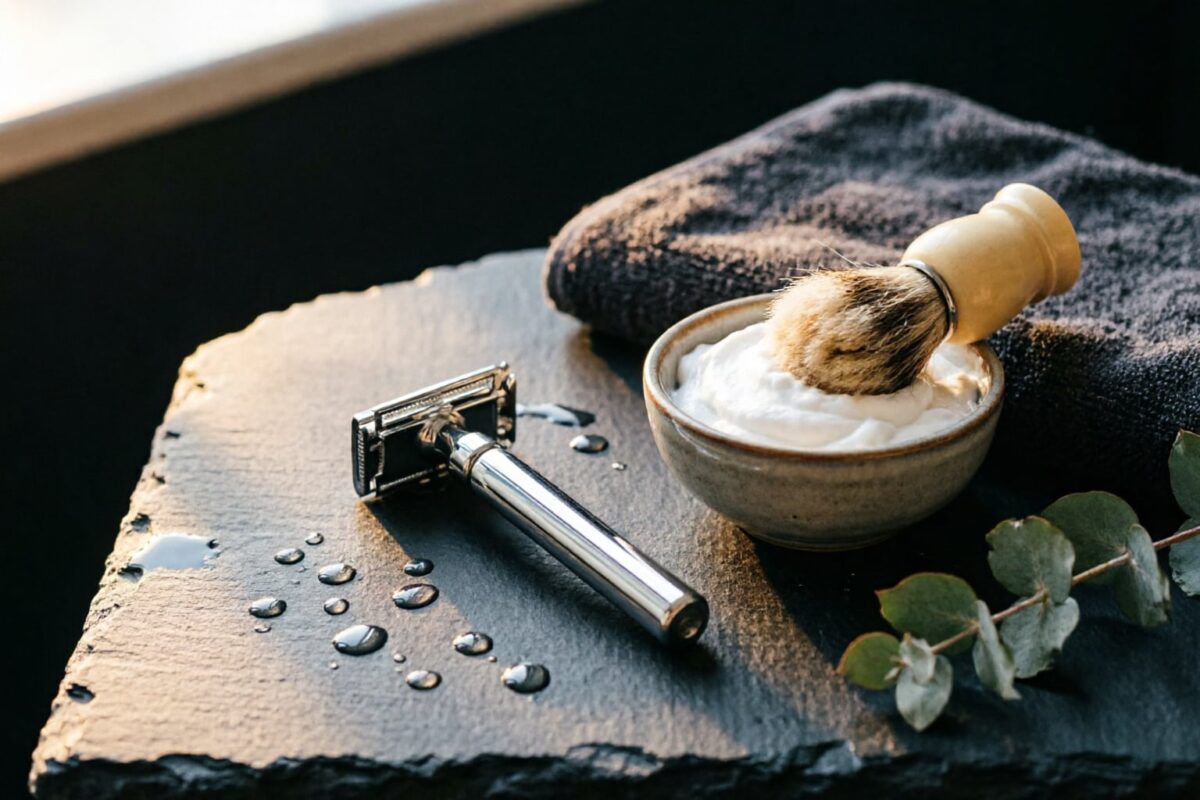
Allure’s October 30 razor guide treats a tired blade as an easy fix: the right tool may reduce nicks, razor burn, and leftover stubble. A new razor cannot rescue a rushed shave, though. Blade condition, stroke direction, and pressure still determine comfort.
The American Academy of Dermatology notes that shaving can irritate skin and cause razor burn and ingrown hairs. Its advice is practical: soften skin first, use shaving cream or gel, shave in the direction of hair growth, and replace a blade after five to seven shaves.
What a New Razor Can and Cannot Fix
Allure points to blade quality, handle weight, and how well a razor follows body contours. Those details affect control. A pivoting head can stay closer to knees, ankles, or underarms, while a textured grip helps wet hands. A trimmer attachment adds utility but also bulk and cleaning work.
More blades do not guarantee better results. A multi-blade cartridge may remove hair with fewer passes, but a very close finish can expose skin to more friction. That matters for sensitive skin and areas where hair curls inward. The goal is a smooth enough result without repeated strokes over one patch.
A razor cannot correct a blade left wet in the shower. The AAD advises storing it in a dry area and letting it dry completely between uses. Rinsing between strokes removes hair and product so the blades work cleanly. These habits often matter more than a premium handle.
A fresh blade is decisive when a dull tool meets a difficult area. It needs less pressure, and less pressure means fewer chances to scrape skin. Keeping a worn cartridge for months is false economy if the result is irritation that requires more products to soothe.
A Razor Checklist That Starts With the Real Cost
Shop by actual use. A compact head is easier to steer around knees and underarms; a flexible head may suit long strokes over shins. A heavier handle can feel stable but awkward in a small shower. The best balance keeps your wrist relaxed and strokes light.
- Check the refill system. A low starter price means little if the cartridges are expensive or hard to find. Estimate the cost for three months using the replacement pace you expect.
- Match the head to the area. A small pivoting head is useful for contours. A wider cartridge can cover a shin faster but may feel clumsy around the ankle.
- Decide whether you need a trimmer. A trimmer can handle longer or coarser hair before a close shave, but it adds maintenance and may not suit every body area.
- Treat lubrication as part of the system. A moisture strip can help a razor glide, yet it does not replace shaving cream or gel on dry or sensitive skin.
- Confirm that replacement blades are available. A discounted handle is not a bargain if the matching cartridges disappear from local stores or the brand’s site.
Disposables suit travel or occasional use. Refillable systems can cost less for regular shaving if blades stay available. Neither is automatically gentler. A budget razor with a sharp blade and comfortable grip can work well; an expensive handle with a worn cartridge still creates friction.
Bundled sets can save money, but only if you use the additions. Check that the set includes the blade refill you need and that the container fits your shower.
Technique Beats a Closer Shave
The AAD recommends shaving after a shower, when hair and skin are warm and moist. Wet skin first if needed. Apply shaving cream or gel instead of gliding a blade over bare skin. People with dry or sensitive skin should choose a sensitive-skin product and patch test if fragrance has stung before.
Shave in the direction the hair grows. That single change can reduce razor bumps and burns, even if it does not produce the closest possible result. Rinse the razor after each swipe, use light pressure, and stop returning to the same small patch. Going over an area repeatedly is a common way to turn a routine shave into irritation.
Replace the blade after five to seven shaves. The exact interval depends on hair thickness, body area, and drying habits, but that range is practical. A blade that pulls, skips, or leaves stubble after one pass has already given its answer.
Keep the tool dry between uses. Rinse it thoroughly, shake off excess water, and set it somewhere with airflow instead of leaving it on a shower ledge. If the handle is slippery, dry your hands before starting. Small pauses are more useful than speeding through a shave to get out of the bathroom.
A close shave is not automatically comfortable. If every last hair requires several passes, tight skin, or hard pressure, the result will not last much longer than a gentler shave. Stop after the planned passes.
Aftercare and When to Stop
Rinse away shaving product with lukewarm water, pat dry, and apply a comfortable moisturizer. A cream or lotion can support dry skin after shaving, especially on legs and arms in cold weather. The winter body lotion guide can help narrow the texture.
Skip strongly fragranced products if skin already stings. A fragrance-free moisturizer is the simpler test when the cause of irritation is unclear. The skincare ingredients guide explains why a product marketed as soothing can still contain an ingredient that does not suit you. Add one new item at a time so the reaction can be traced.
Do not share a razor, and do not leave it in standing water. If razor bumps, redness, or ingrown hairs persist, stop shaving the area and consult a board-certified dermatologist. The AAD specifically warns against trying to shave off acne. People with active acne can experiment with electric or disposable blade razors, shave lightly, and avoid treating a razor as an acne solution.
Skip buying a new razor when the existing one still cuts cleanly and the problem is routine. A dull blade is a reason to replace the cartridge, not necessarily the handle. If irritation appears only when you rush, press hard, or shave against the grain, correct those habits before spending on more features. A sensitive-skin dry-skin face wash guide follows a similar principle for the face: reduce friction, avoid harsh products, and focus on barrier comfort.
Pick a razor whose blade, head, and refill cost suit your body areas; replace the blade after five to seven shaves; use warm, wet skin, shaving cream or gel, and light strokes with hair growth. A tool that supports those habits is worth buying. One that prompts more passes is not.
Sources
- Blackman, Annie, and Madison San Miguel. 9 Best Razors of 2026 for a Smooth, Bump-Free Shave. Allure, October 30, 2026.
- American Academy of Dermatology. Hair Removal: How to Shave.
