
Who Should Skip It
Skip a purple whitening paste when you have untreated tooth pain, swollen gums, a cavity, a broken restoration, or a sudden change in tooth color. Skip it when the ingredient list does not disclose fluoride if you are relying on the product for cavity prevention. Children should use toothpaste according to the guidance of a dentist or pediatric professional, not because an adult cosmetic trend looks appealing.
People with tooth-colored fillings, crowns, or implants should also set realistic expectations. The ADA notes that whitening affects natural teeth rather than restorations, so a change in natural tooth color can make an existing restoration look mismatched. A dentist can help decide whether whitening is appropriate and what result is realistic.
The semi-halo eyeliner guide is a useful reminder that a small focal detail can change how a face reads. A purple paste can do something similar for the smile in a photograph. It cannot replace enamel, remove intrinsic stain, or diagnose the cause of discoloration.
The decision rule: choose a purple paste for temporary color correction, a fluoride abrasive paste for daily stain control, or a properly labeled peroxide treatment for a lasting change. If the effect disappears as soon as you rinse, it is cosmetic; if the goal is permanent whitening, confirm the cause and use the right treatment.
Updated November 12, 2026. Written and edited by the BeautyPick Lab editorial team. This article summarizes cited public guidance and editorial coverage and does not represent firsthand testing or dental advice.
Sources
- Allure Editors. Euthymol Purple Whitening Toothpaste Review. Allure, November 11, 2026.
- American Dental Association. Whitening.
- American Dental Association. Toothpastes.
Build a Sensible Test
Start with the label. Confirm that the paste contains fluoride if cavity protection matters to you, and check whether the product has an ADA Seal of Acceptance when that claim is important. The ADA explains that a toothpaste with an ADA anticaries claim must contain fluoride and must meet the program’s requirements for safety and effectiveness.
Use the paste exactly as directed. A pea-sized amount and normal brushing time are enough; adding more purple pigment does not make the effect permanent. Avoid brushing harder to chase a whiter result. The ADA notes that proper brushing technique with a dentifrice within the accepted abrasivity range produces limited wear, while aggressive brushing can still irritate gums and expose sensitive areas.
Do not use a purple paste as a stand-in for flossing, professional cleaning, or treatment of gum disease. Cosmetic color correction sits on the surface of the daily routine; it does not remove plaque below the gum line. If the product temporarily reduces the look of yellow, that is useful information about appearance, not evidence that the underlying tooth structure has changed.
Take a photo before and after in the same daylight setting. The difference should be judged alongside the overall smile, not only the paste on the brush. Do not use a color-correction product to hide a dental problem or skip regular checkups. The winter makeup guide follows the same principle for cosmetic contrast: use the effect to support the feature, not to replace the underlying care.
A simple sequence is: brush with a fluoride paste, floss if it is part of your routine, and use the color-correcting paste only for the temporary look you want. If sensitivity appears, stop the new product and return to the toothpaste that was comfortable. A label-reading guide is useful here because the same discipline applies to oral-care ingredients: identify the active, the purpose, and the risk.
Who Should Skip It
Skip a purple whitening paste when you have untreated tooth pain, swollen gums, a cavity, a broken restoration, or a sudden change in tooth color. Skip it when the ingredient list does not disclose fluoride if you are relying on the product for cavity prevention. Children should use toothpaste according to the guidance of a dentist or pediatric professional, not because an adult cosmetic trend looks appealing.
People with tooth-colored fillings, crowns, or implants should also set realistic expectations. The ADA notes that whitening affects natural teeth rather than restorations, so a change in natural tooth color can make an existing restoration look mismatched. A dentist can help decide whether whitening is appropriate and what result is realistic.
The semi-halo eyeliner guide is a useful reminder that a small focal detail can change how a face reads. A purple paste can do something similar for the smile in a photograph. It cannot replace enamel, remove intrinsic stain, or diagnose the cause of discoloration.
The decision rule: choose a purple paste for temporary color correction, a fluoride abrasive paste for daily stain control, or a properly labeled peroxide treatment for a lasting change. If the effect disappears as soon as you rinse, it is cosmetic; if the goal is permanent whitening, confirm the cause and use the right treatment.
Updated November 12, 2026. Written and edited by the BeautyPick Lab editorial team. This article summarizes cited public guidance and editorial coverage and does not represent firsthand testing or dental advice.
Sources
- Allure Editors. Euthymol Purple Whitening Toothpaste Review. Allure, November 11, 2026.
- American Dental Association. Whitening.
- American Dental Association. Toothpastes.
Compare the Three Kinds of “Whitening”
| Approach | What it may change | What it cannot do | Best fit |
|---|---|---|---|
| Purple color-correcting paste | The temporary appearance of yellow contrast | Bleach intrinsic tooth color or repair enamel | A short-term cosmetic effect before an event |
| Abrasive whitening toothpaste | Some extrinsic surface stains | Reach stains inside the tooth | Daily cleaning and gradual surface maintenance |
| Peroxide whitening product | Intrinsic tooth color over a treatment course | Whiten fillings, crowns, or other restorations | Dentist-guided or properly labeled bleaching |
The ADA reports that temporary tooth sensitivity and gum inflammation are common adverse effects of vital tooth whitening. A purple cosmetic paste should not be used to mask persistent pain, a cavity, a cracked tooth, or a color change that appeared suddenly. Those are reasons for an examination, not another product.
Build a Sensible Test
Start with the label. Confirm that the paste contains fluoride if cavity protection matters to you, and check whether the product has an ADA Seal of Acceptance when that claim is important. The ADA explains that a toothpaste with an ADA anticaries claim must contain fluoride and must meet the program’s requirements for safety and effectiveness.
Use the paste exactly as directed. A pea-sized amount and normal brushing time are enough; adding more purple pigment does not make the effect permanent. Avoid brushing harder to chase a whiter result. The ADA notes that proper brushing technique with a dentifrice within the accepted abrasivity range produces limited wear, while aggressive brushing can still irritate gums and expose sensitive areas.
Do not use a purple paste as a stand-in for flossing, professional cleaning, or treatment of gum disease. Cosmetic color correction sits on the surface of the daily routine; it does not remove plaque below the gum line. If the product temporarily reduces the look of yellow, that is useful information about appearance, not evidence that the underlying tooth structure has changed.
Take a photo before and after in the same daylight setting. The difference should be judged alongside the overall smile, not only the paste on the brush. Do not use a color-correction product to hide a dental problem or skip regular checkups. The winter makeup guide follows the same principle for cosmetic contrast: use the effect to support the feature, not to replace the underlying care.
A simple sequence is: brush with a fluoride paste, floss if it is part of your routine, and use the color-correcting paste only for the temporary look you want. If sensitivity appears, stop the new product and return to the toothpaste that was comfortable. A label-reading guide is useful here because the same discipline applies to oral-care ingredients: identify the active, the purpose, and the risk.
Who Should Skip It
Skip a purple whitening paste when you have untreated tooth pain, swollen gums, a cavity, a broken restoration, or a sudden change in tooth color. Skip it when the ingredient list does not disclose fluoride if you are relying on the product for cavity prevention. Children should use toothpaste according to the guidance of a dentist or pediatric professional, not because an adult cosmetic trend looks appealing.
People with tooth-colored fillings, crowns, or implants should also set realistic expectations. The ADA notes that whitening affects natural teeth rather than restorations, so a change in natural tooth color can make an existing restoration look mismatched. A dentist can help decide whether whitening is appropriate and what result is realistic.
The semi-halo eyeliner guide is a useful reminder that a small focal detail can change how a face reads. A purple paste can do something similar for the smile in a photograph. It cannot replace enamel, remove intrinsic stain, or diagnose the cause of discoloration.
The decision rule: choose a purple paste for temporary color correction, a fluoride abrasive paste for daily stain control, or a properly labeled peroxide treatment for a lasting change. If the effect disappears as soon as you rinse, it is cosmetic; if the goal is permanent whitening, confirm the cause and use the right treatment.
Updated November 12, 2026. Written and edited by the BeautyPick Lab editorial team. This article summarizes cited public guidance and editorial coverage and does not represent firsthand testing or dental advice.
Sources
- Allure Editors. Euthymol Purple Whitening Toothpaste Review. Allure, November 11, 2026.
- American Dental Association. Whitening.
- American Dental Association. Toothpastes.
What Purple Toothpaste Does
The American Dental Association explains that whitening toothpastes primarily rely on abrasives to remove extrinsic stains on the outside of the tooth. Some also contain low levels of peroxide to help lighten color. Purple pigments sit in a different category: they alter the appearance of yellow through color correction rather than bleaching the tooth from within.
Allure describes the visual effect as neutralizing the look of yellow stains. Think of the principle behind a violet-toned shampoo or a color-correcting makeup product. The effect can make the smile look brighter in a photograph, but it is not proof that the enamel has become whiter. The ADA distinguishes surface stain removal from bleaching intrinsic color, which requires peroxide-based treatment and appropriate supervision.
Toothpaste can still do useful daily work. The ADA notes that fluoride toothpastes help prevent cavities and that mild abrasives can physically clean surface deposits. A purple paste that contains fluoride and a suitable abrasive may therefore support ordinary brushing. Read the active ingredients rather than assuming the color guarantees a complete oral-care formula.
Compare the Three Kinds of “Whitening”
| Approach | What it may change | What it cannot do | Best fit |
|---|---|---|---|
| Purple color-correcting paste | The temporary appearance of yellow contrast | Bleach intrinsic tooth color or repair enamel | A short-term cosmetic effect before an event |
| Abrasive whitening toothpaste | Some extrinsic surface stains | Reach stains inside the tooth | Daily cleaning and gradual surface maintenance |
| Peroxide whitening product | Intrinsic tooth color over a treatment course | Whiten fillings, crowns, or other restorations | Dentist-guided or properly labeled bleaching |
The ADA reports that temporary tooth sensitivity and gum inflammation are common adverse effects of vital tooth whitening. A purple cosmetic paste should not be used to mask persistent pain, a cavity, a cracked tooth, or a color change that appeared suddenly. Those are reasons for an examination, not another product.
Build a Sensible Test
Start with the label. Confirm that the paste contains fluoride if cavity protection matters to you, and check whether the product has an ADA Seal of Acceptance when that claim is important. The ADA explains that a toothpaste with an ADA anticaries claim must contain fluoride and must meet the program’s requirements for safety and effectiveness.
Use the paste exactly as directed. A pea-sized amount and normal brushing time are enough; adding more purple pigment does not make the effect permanent. Avoid brushing harder to chase a whiter result. The ADA notes that proper brushing technique with a dentifrice within the accepted abrasivity range produces limited wear, while aggressive brushing can still irritate gums and expose sensitive areas.
Do not use a purple paste as a stand-in for flossing, professional cleaning, or treatment of gum disease. Cosmetic color correction sits on the surface of the daily routine; it does not remove plaque below the gum line. If the product temporarily reduces the look of yellow, that is useful information about appearance, not evidence that the underlying tooth structure has changed.
Take a photo before and after in the same daylight setting. The difference should be judged alongside the overall smile, not only the paste on the brush. Do not use a color-correction product to hide a dental problem or skip regular checkups. The winter makeup guide follows the same principle for cosmetic contrast: use the effect to support the feature, not to replace the underlying care.
A simple sequence is: brush with a fluoride paste, floss if it is part of your routine, and use the color-correcting paste only for the temporary look you want. If sensitivity appears, stop the new product and return to the toothpaste that was comfortable. A label-reading guide is useful here because the same discipline applies to oral-care ingredients: identify the active, the purpose, and the risk.
Who Should Skip It
Skip a purple whitening paste when you have untreated tooth pain, swollen gums, a cavity, a broken restoration, or a sudden change in tooth color. Skip it when the ingredient list does not disclose fluoride if you are relying on the product for cavity prevention. Children should use toothpaste according to the guidance of a dentist or pediatric professional, not because an adult cosmetic trend looks appealing.
People with tooth-colored fillings, crowns, or implants should also set realistic expectations. The ADA notes that whitening affects natural teeth rather than restorations, so a change in natural tooth color can make an existing restoration look mismatched. A dentist can help decide whether whitening is appropriate and what result is realistic.
The semi-halo eyeliner guide is a useful reminder that a small focal detail can change how a face reads. A purple paste can do something similar for the smile in a photograph. It cannot replace enamel, remove intrinsic stain, or diagnose the cause of discoloration.
The decision rule: choose a purple paste for temporary color correction, a fluoride abrasive paste for daily stain control, or a properly labeled peroxide treatment for a lasting change. If the effect disappears as soon as you rinse, it is cosmetic; if the goal is permanent whitening, confirm the cause and use the right treatment.
Updated November 12, 2026. Written and edited by the BeautyPick Lab editorial team. This article summarizes cited public guidance and editorial coverage and does not represent firsthand testing or dental advice.
Sources
- Allure Editors. Euthymol Purple Whitening Toothpaste Review. Allure, November 11, 2026.
- American Dental Association. Whitening.
- American Dental Association. Toothpastes.
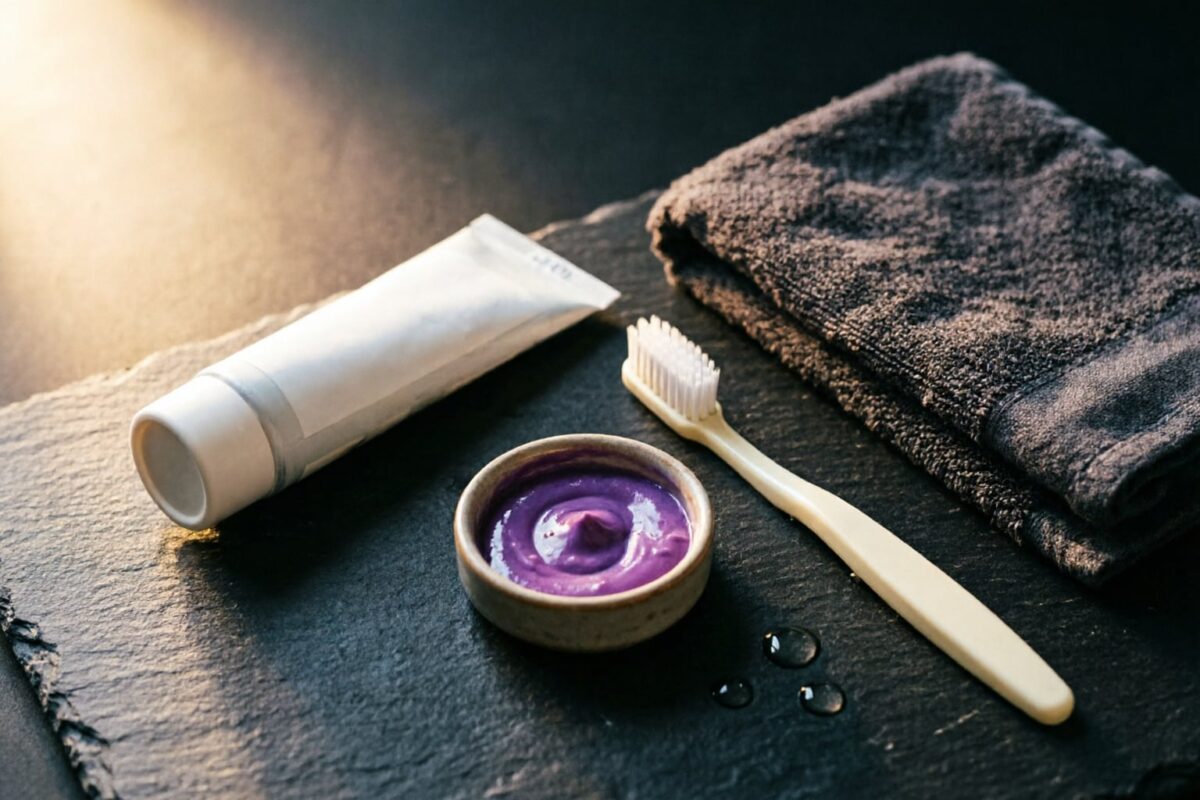
Purple toothpaste is having a moment because violet pigments can make yellow tones look less obvious on camera and in daylight. Allure’s November 11 review describes the Euthymol formula as a fluoride toothpaste with violet pigments and hydrated silica. That combination can support routine cleaning and temporary color correction, but it is not a substitute for bleaching intrinsic tooth color or treating the cause of discoloration.
The practical question is what kind of change you want. If the goal is a temporary, lower-contrast look before a meeting or event, a purple paste may be useful. If the goal is a permanent shade change, stains inside the tooth, or help with sensitivity, the purchase decision belongs with a dentist and a labeled whitening treatment.
What Purple Toothpaste Does
The American Dental Association explains that whitening toothpastes primarily rely on abrasives to remove extrinsic stains on the outside of the tooth. Some also contain low levels of peroxide to help lighten color. Purple pigments sit in a different category: they alter the appearance of yellow through color correction rather than bleaching the tooth from within.
Allure describes the visual effect as neutralizing the look of yellow stains. Think of the principle behind a violet-toned shampoo or a color-correcting makeup product. The effect can make the smile look brighter in a photograph, but it is not proof that the enamel has become whiter. The ADA distinguishes surface stain removal from bleaching intrinsic color, which requires peroxide-based treatment and appropriate supervision.
Toothpaste can still do useful daily work. The ADA notes that fluoride toothpastes help prevent cavities and that mild abrasives can physically clean surface deposits. A purple paste that contains fluoride and a suitable abrasive may therefore support ordinary brushing. Read the active ingredients rather than assuming the color guarantees a complete oral-care formula.
Compare the Three Kinds of “Whitening”
| Approach | What it may change | What it cannot do | Best fit |
|---|---|---|---|
| Purple color-correcting paste | The temporary appearance of yellow contrast | Bleach intrinsic tooth color or repair enamel | A short-term cosmetic effect before an event |
| Abrasive whitening toothpaste | Some extrinsic surface stains | Reach stains inside the tooth | Daily cleaning and gradual surface maintenance |
| Peroxide whitening product | Intrinsic tooth color over a treatment course | Whiten fillings, crowns, or other restorations | Dentist-guided or properly labeled bleaching |
The ADA reports that temporary tooth sensitivity and gum inflammation are common adverse effects of vital tooth whitening. A purple cosmetic paste should not be used to mask persistent pain, a cavity, a cracked tooth, or a color change that appeared suddenly. Those are reasons for an examination, not another product.
Build a Sensible Test
Start with the label. Confirm that the paste contains fluoride if cavity protection matters to you, and check whether the product has an ADA Seal of Acceptance when that claim is important. The ADA explains that a toothpaste with an ADA anticaries claim must contain fluoride and must meet the program’s requirements for safety and effectiveness.
Use the paste exactly as directed. A pea-sized amount and normal brushing time are enough; adding more purple pigment does not make the effect permanent. Avoid brushing harder to chase a whiter result. The ADA notes that proper brushing technique with a dentifrice within the accepted abrasivity range produces limited wear, while aggressive brushing can still irritate gums and expose sensitive areas.
Do not use a purple paste as a stand-in for flossing, professional cleaning, or treatment of gum disease. Cosmetic color correction sits on the surface of the daily routine; it does not remove plaque below the gum line. If the product temporarily reduces the look of yellow, that is useful information about appearance, not evidence that the underlying tooth structure has changed.
Take a photo before and after in the same daylight setting. The difference should be judged alongside the overall smile, not only the paste on the brush. Do not use a color-correction product to hide a dental problem or skip regular checkups. The winter makeup guide follows the same principle for cosmetic contrast: use the effect to support the feature, not to replace the underlying care.
A simple sequence is: brush with a fluoride paste, floss if it is part of your routine, and use the color-correcting paste only for the temporary look you want. If sensitivity appears, stop the new product and return to the toothpaste that was comfortable. A label-reading guide is useful here because the same discipline applies to oral-care ingredients: identify the active, the purpose, and the risk.
Who Should Skip It
Skip a purple whitening paste when you have untreated tooth pain, swollen gums, a cavity, a broken restoration, or a sudden change in tooth color. Skip it when the ingredient list does not disclose fluoride if you are relying on the product for cavity prevention. Children should use toothpaste according to the guidance of a dentist or pediatric professional, not because an adult cosmetic trend looks appealing.
People with tooth-colored fillings, crowns, or implants should also set realistic expectations. The ADA notes that whitening affects natural teeth rather than restorations, so a change in natural tooth color can make an existing restoration look mismatched. A dentist can help decide whether whitening is appropriate and what result is realistic.
The semi-halo eyeliner guide is a useful reminder that a small focal detail can change how a face reads. A purple paste can do something similar for the smile in a photograph. It cannot replace enamel, remove intrinsic stain, or diagnose the cause of discoloration.
The decision rule: choose a purple paste for temporary color correction, a fluoride abrasive paste for daily stain control, or a properly labeled peroxide treatment for a lasting change. If the effect disappears as soon as you rinse, it is cosmetic; if the goal is permanent whitening, confirm the cause and use the right treatment.
Updated November 12, 2026. Written and edited by the BeautyPick Lab editorial team. This article summarizes cited public guidance and editorial coverage and does not represent firsthand testing or dental advice.
Sources
- Allure Editors. Euthymol Purple Whitening Toothpaste Review. Allure, November 11, 2026.
- American Dental Association. Whitening.
- American Dental Association. Toothpastes.
Purple toothpaste is having a moment because violet pigments can make yellow tones look less obvious on camera and in daylight. Allure’s November 11 review describes the Euthymol formula as a fluoride toothpaste with violet pigments and hydrated silica. That combination can support routine cleaning and temporary color correction, but it is not a substitute for bleaching intrinsic tooth color or treating the cause of discoloration.
The practical question is what kind of change you want. If the goal is a temporary, lower-contrast look before a meeting or event, a purple paste may be useful. If the goal is a permanent shade change, stains inside the tooth, or help with sensitivity, the purchase decision belongs with a dentist and a labeled whitening treatment.
What Purple Toothpaste Does
The American Dental Association explains that whitening toothpastes primarily rely on abrasives to remove extrinsic stains on the outside of the tooth. Some also contain low levels of peroxide to help lighten color. Purple pigments sit in a different category: they alter the appearance of yellow through color correction rather than bleaching the tooth from within.
Allure describes the visual effect as neutralizing the look of yellow stains. Think of the principle behind a violet-toned shampoo or a color-correcting makeup product. The effect can make the smile look brighter in a photograph, but it is not proof that the enamel has become whiter. The ADA distinguishes surface stain removal from bleaching intrinsic color, which requires peroxide-based treatment and appropriate supervision.
Toothpaste can still do useful daily work. The ADA notes that fluoride toothpastes help prevent cavities and that mild abrasives can physically clean surface deposits. A purple paste that contains fluoride and a suitable abrasive may therefore support ordinary brushing. Read the active ingredients rather than assuming the color guarantees a complete oral-care formula.
Compare the Three Kinds of “Whitening”
| Approach | What it may change | What it cannot do | Best fit |
|---|---|---|---|
| Purple color-correcting paste | The temporary appearance of yellow contrast | Bleach intrinsic tooth color or repair enamel | A short-term cosmetic effect before an event |
| Abrasive whitening toothpaste | Some extrinsic surface stains | Reach stains inside the tooth | Daily cleaning and gradual surface maintenance |
| Peroxide whitening product | Intrinsic tooth color over a treatment course | Whiten fillings, crowns, or other restorations | Dentist-guided or properly labeled bleaching |
The ADA reports that temporary tooth sensitivity and gum inflammation are common adverse effects of vital tooth whitening. A purple cosmetic paste should not be used to mask persistent pain, a cavity, a cracked tooth, or a color change that appeared suddenly. Those are reasons for an examination, not another product.
Build a Sensible Test
Start with the label. Confirm that the paste contains fluoride if cavity protection matters to you, and check whether the product has an ADA Seal of Acceptance when that claim is important. The ADA explains that a toothpaste with an ADA anticaries claim must contain fluoride and must meet the program’s requirements for safety and effectiveness.
Use the paste exactly as directed. A pea-sized amount and normal brushing time are enough; adding more purple pigment does not make the effect permanent. Avoid brushing harder to chase a whiter result. The ADA notes that proper brushing technique with a dentifrice within the accepted abrasivity range produces limited wear, while aggressive brushing can still irritate gums and expose sensitive areas.
Do not use a purple paste as a stand-in for flossing, professional cleaning, or treatment of gum disease. Cosmetic color correction sits on the surface of the daily routine; it does not remove plaque below the gum line. If the product temporarily reduces the look of yellow, that is useful information about appearance, not evidence that the underlying tooth structure has changed.
Take a photo before and after in the same daylight setting. The difference should be judged alongside the overall smile, not only the paste on the brush. Do not use a color-correction product to hide a dental problem or skip regular checkups. The winter makeup guide follows the same principle for cosmetic contrast: use the effect to support the feature, not to replace the underlying care.
A simple sequence is: brush with a fluoride paste, floss if it is part of your routine, and use the color-correcting paste only for the temporary look you want. If sensitivity appears, stop the new product and return to the toothpaste that was comfortable. A label-reading guide is useful here because the same discipline applies to oral-care ingredients: identify the active, the purpose, and the risk.
Who Should Skip It
Skip a purple whitening paste when you have untreated tooth pain, swollen gums, a cavity, a broken restoration, or a sudden change in tooth color. Skip it when the ingredient list does not disclose fluoride if you are relying on the product for cavity prevention. Children should use toothpaste according to the guidance of a dentist or pediatric professional, not because an adult cosmetic trend looks appealing.
People with tooth-colored fillings, crowns, or implants should also set realistic expectations. The ADA notes that whitening affects natural teeth rather than restorations, so a change in natural tooth color can make an existing restoration look mismatched. A dentist can help decide whether whitening is appropriate and what result is realistic.
The semi-halo eyeliner guide is a useful reminder that a small focal detail can change how a face reads. A purple paste can do something similar for the smile in a photograph. It cannot replace enamel, remove intrinsic stain, or diagnose the cause of discoloration.
The decision rule: choose a purple paste for temporary color correction, a fluoride abrasive paste for daily stain control, or a properly labeled peroxide treatment for a lasting change. If the effect disappears as soon as you rinse, it is cosmetic; if the goal is permanent whitening, confirm the cause and use the right treatment.
Updated November 12, 2026. Written and edited by the BeautyPick Lab editorial team. This article summarizes cited public guidance and editorial coverage and does not represent firsthand testing or dental advice.
Sources
- Allure Editors. Euthymol Purple Whitening Toothpaste Review. Allure, November 11, 2026.
- American Dental Association. Whitening.
- American Dental Association. Toothpastes.
Purple toothpaste is having a moment because violet pigments can make yellow tones look less obvious on camera and in daylight. Allure’s November 11 review describes the Euthymol formula as a fluoride toothpaste with violet pigments and hydrated silica. That combination can support routine cleaning and temporary color correction, but it is not a substitute for bleaching intrinsic tooth color or treating the cause of discoloration.
The practical question is what kind of change you want. If the goal is a temporary, lower-contrast look before a meeting or event, a purple paste may be useful. If the goal is a permanent shade change, stains inside the tooth, or help with sensitivity, the purchase decision belongs with a dentist and a labeled whitening treatment.
What Purple Toothpaste Does
The American Dental Association explains that whitening toothpastes primarily rely on abrasives to remove extrinsic stains on the outside of the tooth. Some also contain low levels of peroxide to help lighten color. Purple pigments sit in a different category: they alter the appearance of yellow through color correction rather than bleaching the tooth from within.
Allure describes the visual effect as neutralizing the look of yellow stains. Think of the principle behind a violet-toned shampoo or a color-correcting makeup product. The effect can make the smile look brighter in a photograph, but it is not proof that the enamel has become whiter. The ADA distinguishes surface stain removal from bleaching intrinsic color, which requires peroxide-based treatment and appropriate supervision.
Toothpaste can still do useful daily work. The ADA notes that fluoride toothpastes help prevent cavities and that mild abrasives can physically clean surface deposits. A purple paste that contains fluoride and a suitable abrasive may therefore support ordinary brushing. Read the active ingredients rather than assuming the color guarantees a complete oral-care formula.
Compare the Three Kinds of “Whitening”
| Approach | What it may change | What it cannot do | Best fit |
|---|---|---|---|
| Purple color-correcting paste | The temporary appearance of yellow contrast | Bleach intrinsic tooth color or repair enamel | A short-term cosmetic effect before an event |
| Abrasive whitening toothpaste | Some extrinsic surface stains | Reach stains inside the tooth | Daily cleaning and gradual surface maintenance |
| Peroxide whitening product | Intrinsic tooth color over a treatment course | Whiten fillings, crowns, or other restorations | Dentist-guided or properly labeled bleaching |
The ADA reports that temporary tooth sensitivity and gum inflammation are common adverse effects of vital tooth whitening. A purple cosmetic paste should not be used to mask persistent pain, a cavity, a cracked tooth, or a color change that appeared suddenly. Those are reasons for an examination, not another product.
Build a Sensible Test
Start with the label. Confirm that the paste contains fluoride if cavity protection matters to you, and check whether the product has an ADA Seal of Acceptance when that claim is important. The ADA explains that a toothpaste with an ADA anticaries claim must contain fluoride and must meet the program’s requirements for safety and effectiveness.
Use the paste exactly as directed. A pea-sized amount and normal brushing time are enough; adding more purple pigment does not make the effect permanent. Avoid brushing harder to chase a whiter result. The ADA notes that proper brushing technique with a dentifrice within the accepted abrasivity range produces limited wear, while aggressive brushing can still irritate gums and expose sensitive areas.
Do not use a purple paste as a stand-in for flossing, professional cleaning, or treatment of gum disease. Cosmetic color correction sits on the surface of the daily routine; it does not remove plaque below the gum line. If the product temporarily reduces the look of yellow, that is useful information about appearance, not evidence that the underlying tooth structure has changed.
Take a photo before and after in the same daylight setting. The difference should be judged alongside the overall smile, not only the paste on the brush. Do not use a color-correction product to hide a dental problem or skip regular checkups. The winter makeup guide follows the same principle for cosmetic contrast: use the effect to support the feature, not to replace the underlying care.
A simple sequence is: brush with a fluoride paste, floss if it is part of your routine, and use the color-correcting paste only for the temporary look you want. If sensitivity appears, stop the new product and return to the toothpaste that was comfortable. A label-reading guide is useful here because the same discipline applies to oral-care ingredients: identify the active, the purpose, and the risk.
Who Should Skip It
Skip a purple whitening paste when you have untreated tooth pain, swollen gums, a cavity, a broken restoration, or a sudden change in tooth color. Skip it when the ingredient list does not disclose fluoride if you are relying on the product for cavity prevention. Children should use toothpaste according to the guidance of a dentist or pediatric professional, not because an adult cosmetic trend looks appealing.
People with tooth-colored fillings, crowns, or implants should also set realistic expectations. The ADA notes that whitening affects natural teeth rather than restorations, so a change in natural tooth color can make an existing restoration look mismatched. A dentist can help decide whether whitening is appropriate and what result is realistic.
The semi-halo eyeliner guide is a useful reminder that a small focal detail can change how a face reads. A purple paste can do something similar for the smile in a photograph. It cannot replace enamel, remove intrinsic stain, or diagnose the cause of discoloration.
The decision rule: choose a purple paste for temporary color correction, a fluoride abrasive paste for daily stain control, or a properly labeled peroxide treatment for a lasting change. If the effect disappears as soon as you rinse, it is cosmetic; if the goal is permanent whitening, confirm the cause and use the right treatment.
Updated November 12, 2026. Written and edited by the BeautyPick Lab editorial team. This article summarizes cited public guidance and editorial coverage and does not represent firsthand testing or dental advice.
Sources
- Allure Editors. Euthymol Purple Whitening Toothpaste Review. Allure, November 11, 2026.
- American Dental Association. Whitening.
- American Dental Association. Toothpastes.
Purple toothpaste is having a moment because violet pigments can make yellow tones look less obvious on camera and in daylight. Allure’s November 11 review describes the Euthymol formula as a fluoride toothpaste with violet pigments and hydrated silica. That combination can support routine cleaning and temporary color correction, but it is not a substitute for bleaching intrinsic tooth color or treating the cause of discoloration.
The practical question is what kind of change you want. If the goal is a temporary, lower-contrast look before a meeting or event, a purple paste may be useful. If the goal is a permanent shade change, stains inside the tooth, or help with sensitivity, the purchase decision belongs with a dentist and a labeled whitening treatment.
What Purple Toothpaste Does
The American Dental Association explains that whitening toothpastes primarily rely on abrasives to remove extrinsic stains on the outside of the tooth. Some also contain low levels of peroxide to help lighten color. Purple pigments sit in a different category: they alter the appearance of yellow through color correction rather than bleaching the tooth from within.
Allure describes the visual effect as neutralizing the look of yellow stains. Think of the principle behind a violet-toned shampoo or a color-correcting makeup product. The effect can make the smile look brighter in a photograph, but it is not proof that the enamel has become whiter. The ADA distinguishes surface stain removal from bleaching intrinsic color, which requires peroxide-based treatment and appropriate supervision.
Toothpaste can still do useful daily work. The ADA notes that fluoride toothpastes help prevent cavities and that mild abrasives can physically clean surface deposits. A purple paste that contains fluoride and a suitable abrasive may therefore support ordinary brushing. Read the active ingredients rather than assuming the color guarantees a complete oral-care formula.
Compare the Three Kinds of “Whitening”
| Approach | What it may change | What it cannot do | Best fit |
|---|---|---|---|
| Purple color-correcting paste | The temporary appearance of yellow contrast | Bleach intrinsic tooth color or repair enamel | A short-term cosmetic effect before an event |
| Abrasive whitening toothpaste | Some extrinsic surface stains | Reach stains inside the tooth | Daily cleaning and gradual surface maintenance |
| Peroxide whitening product | Intrinsic tooth color over a treatment course | Whiten fillings, crowns, or other restorations | Dentist-guided or properly labeled bleaching |
The ADA reports that temporary tooth sensitivity and gum inflammation are common adverse effects of vital tooth whitening. A purple cosmetic paste should not be used to mask persistent pain, a cavity, a cracked tooth, or a color change that appeared suddenly. Those are reasons for an examination, not another product.
Build a Sensible Test
Start with the label. Confirm that the paste contains fluoride if cavity protection matters to you, and check whether the product has an ADA Seal of Acceptance when that claim is important. The ADA explains that a toothpaste with an ADA anticaries claim must contain fluoride and must meet the program’s requirements for safety and effectiveness.
Use the paste exactly as directed. A pea-sized amount and normal brushing time are enough; adding more purple pigment does not make the effect permanent. Avoid brushing harder to chase a whiter result. The ADA notes that proper brushing technique with a dentifrice within the accepted abrasivity range produces limited wear, while aggressive brushing can still irritate gums and expose sensitive areas.
Do not use a purple paste as a stand-in for flossing, professional cleaning, or treatment of gum disease. Cosmetic color correction sits on the surface of the daily routine; it does not remove plaque below the gum line. If the product temporarily reduces the look of yellow, that is useful information about appearance, not evidence that the underlying tooth structure has changed.
Take a photo before and after in the same daylight setting. The difference should be judged alongside the overall smile, not only the paste on the brush. Do not use a color-correction product to hide a dental problem or skip regular checkups. The winter makeup guide follows the same principle for cosmetic contrast: use the effect to support the feature, not to replace the underlying care.
A simple sequence is: brush with a fluoride paste, floss if it is part of your routine, and use the color-correcting paste only for the temporary look you want. If sensitivity appears, stop the new product and return to the toothpaste that was comfortable. A label-reading guide is useful here because the same discipline applies to oral-care ingredients: identify the active, the purpose, and the risk.
Who Should Skip It
Skip a purple whitening paste when you have untreated tooth pain, swollen gums, a cavity, a broken restoration, or a sudden change in tooth color. Skip it when the ingredient list does not disclose fluoride if you are relying on the product for cavity prevention. Children should use toothpaste according to the guidance of a dentist or pediatric professional, not because an adult cosmetic trend looks appealing.
People with tooth-colored fillings, crowns, or implants should also set realistic expectations. The ADA notes that whitening affects natural teeth rather than restorations, so a change in natural tooth color can make an existing restoration look mismatched. A dentist can help decide whether whitening is appropriate and what result is realistic.
The semi-halo eyeliner guide is a useful reminder that a small focal detail can change how a face reads. A purple paste can do something similar for the smile in a photograph. It cannot replace enamel, remove intrinsic stain, or diagnose the cause of discoloration.
The decision rule: choose a purple paste for temporary color correction, a fluoride abrasive paste for daily stain control, or a properly labeled peroxide treatment for a lasting change. If the effect disappears as soon as you rinse, it is cosmetic; if the goal is permanent whitening, confirm the cause and use the right treatment.
Updated November 12, 2026. Written and edited by the BeautyPick Lab editorial team. This article summarizes cited public guidance and editorial coverage and does not represent firsthand testing or dental advice.
Sources
- Allure Editors. Euthymol Purple Whitening Toothpaste Review. Allure, November 11, 2026.
- American Dental Association. Whitening.
- American Dental Association. Toothpastes.
What Purple Toothpaste Does
The American Dental Association explains that whitening toothpastes primarily rely on abrasives to remove extrinsic stains on the outside of the tooth. Some also contain low levels of peroxide to help lighten color. Purple pigments sit in a different category: they alter the appearance of yellow through color correction rather than bleaching the tooth from within.
Allure describes the visual effect as neutralizing the look of yellow stains. Think of the principle behind a violet-toned shampoo or a color-correcting makeup product. The effect can make the smile look brighter in a photograph, but it is not proof that the enamel has become whiter. The ADA distinguishes surface stain removal from bleaching intrinsic color, which requires peroxide-based treatment and appropriate supervision.
Toothpaste can still do useful daily work. The ADA notes that fluoride toothpastes help prevent cavities and that mild abrasives can physically clean surface deposits. A purple paste that contains fluoride and a suitable abrasive may therefore support ordinary brushing. Read the active ingredients rather than assuming the color guarantees a complete oral-care formula.
Compare the Three Kinds of “Whitening”
| Approach | What it may change | What it cannot do | Best fit |
|---|---|---|---|
| Purple color-correcting paste | The temporary appearance of yellow contrast | Bleach intrinsic tooth color or repair enamel | A short-term cosmetic effect before an event |
| Abrasive whitening toothpaste | Some extrinsic surface stains | Reach stains inside the tooth | Daily cleaning and gradual surface maintenance |
| Peroxide whitening product | Intrinsic tooth color over a treatment course | Whiten fillings, crowns, or other restorations | Dentist-guided or properly labeled bleaching |
The ADA reports that temporary tooth sensitivity and gum inflammation are common adverse effects of vital tooth whitening. A purple cosmetic paste should not be used to mask persistent pain, a cavity, a cracked tooth, or a color change that appeared suddenly. Those are reasons for an examination, not another product.
Build a Sensible Test
Start with the label. Confirm that the paste contains fluoride if cavity protection matters to you, and check whether the product has an ADA Seal of Acceptance when that claim is important. The ADA explains that a toothpaste with an ADA anticaries claim must contain fluoride and must meet the program’s requirements for safety and effectiveness.
Use the paste exactly as directed. A pea-sized amount and normal brushing time are enough; adding more purple pigment does not make the effect permanent. Avoid brushing harder to chase a whiter result. The ADA notes that proper brushing technique with a dentifrice within the accepted abrasivity range produces limited wear, while aggressive brushing can still irritate gums and expose sensitive areas.
Do not use a purple paste as a stand-in for flossing, professional cleaning, or treatment of gum disease. Cosmetic color correction sits on the surface of the daily routine; it does not remove plaque below the gum line. If the product temporarily reduces the look of yellow, that is useful information about appearance, not evidence that the underlying tooth structure has changed.
Take a photo before and after in the same daylight setting. The difference should be judged alongside the overall smile, not only the paste on the brush. Do not use a color-correction product to hide a dental problem or skip regular checkups. The winter makeup guide follows the same principle for cosmetic contrast: use the effect to support the feature, not to replace the underlying care.
A simple sequence is: brush with a fluoride paste, floss if it is part of your routine, and use the color-correcting paste only for the temporary look you want. If sensitivity appears, stop the new product and return to the toothpaste that was comfortable. A label-reading guide is useful here because the same discipline applies to oral-care ingredients: identify the active, the purpose, and the risk.
Who Should Skip It
Skip a purple whitening paste when you have untreated tooth pain, swollen gums, a cavity, a broken restoration, or a sudden change in tooth color. Skip it when the ingredient list does not disclose fluoride if you are relying on the product for cavity prevention. Children should use toothpaste according to the guidance of a dentist or pediatric professional, not because an adult cosmetic trend looks appealing.
People with tooth-colored fillings, crowns, or implants should also set realistic expectations. The ADA notes that whitening affects natural teeth rather than restorations, so a change in natural tooth color can make an existing restoration look mismatched. A dentist can help decide whether whitening is appropriate and what result is realistic.
The semi-halo eyeliner guide is a useful reminder that a small focal detail can change how a face reads. A purple paste can do something similar for the smile in a photograph. It cannot replace enamel, remove intrinsic stain, or diagnose the cause of discoloration.
The decision rule: choose a purple paste for temporary color correction, a fluoride abrasive paste for daily stain control, or a properly labeled peroxide treatment for a lasting change. If the effect disappears as soon as you rinse, it is cosmetic; if the goal is permanent whitening, confirm the cause and use the right treatment.
Updated November 12, 2026. Written and edited by the BeautyPick Lab editorial team. This article summarizes cited public guidance and editorial coverage and does not represent firsthand testing or dental advice.
Sources
- Allure Editors. Euthymol Purple Whitening Toothpaste Review. Allure, November 11, 2026.
- American Dental Association. Whitening.
- American Dental Association. Toothpastes.
Purple toothpaste is having a moment because violet pigments can make yellow tones look less obvious on camera and in daylight. Allure’s November 11 review describes the Euthymol formula as a fluoride toothpaste with violet pigments and hydrated silica. That combination can support routine cleaning and temporary color correction, but it is not a substitute for bleaching intrinsic tooth color or treating the cause of discoloration.
The practical question is what kind of change you want. If the goal is a temporary, lower-contrast look before a meeting or event, a purple paste may be useful. If the goal is a permanent shade change, stains inside the tooth, or help with sensitivity, the purchase decision belongs with a dentist and a labeled whitening treatment.
What Purple Toothpaste Does
The American Dental Association explains that whitening toothpastes primarily rely on abrasives to remove extrinsic stains on the outside of the tooth. Some also contain low levels of peroxide to help lighten color. Purple pigments sit in a different category: they alter the appearance of yellow through color correction rather than bleaching the tooth from within.
Allure describes the visual effect as neutralizing the look of yellow stains. Think of the principle behind a violet-toned shampoo or a color-correcting makeup product. The effect can make the smile look brighter in a photograph, but it is not proof that the enamel has become whiter. The ADA distinguishes surface stain removal from bleaching intrinsic color, which requires peroxide-based treatment and appropriate supervision.
Toothpaste can still do useful daily work. The ADA notes that fluoride toothpastes help prevent cavities and that mild abrasives can physically clean surface deposits. A purple paste that contains fluoride and a suitable abrasive may therefore support ordinary brushing. Read the active ingredients rather than assuming the color guarantees a complete oral-care formula.
Compare the Three Kinds of “Whitening”
| Approach | What it may change | What it cannot do | Best fit |
|---|---|---|---|
| Purple color-correcting paste | The temporary appearance of yellow contrast | Bleach intrinsic tooth color or repair enamel | A short-term cosmetic effect before an event |
| Abrasive whitening toothpaste | Some extrinsic surface stains | Reach stains inside the tooth | Daily cleaning and gradual surface maintenance |
| Peroxide whitening product | Intrinsic tooth color over a treatment course | Whiten fillings, crowns, or other restorations | Dentist-guided or properly labeled bleaching |
The ADA reports that temporary tooth sensitivity and gum inflammation are common adverse effects of vital tooth whitening. A purple cosmetic paste should not be used to mask persistent pain, a cavity, a cracked tooth, or a color change that appeared suddenly. Those are reasons for an examination, not another product.
Build a Sensible Test
Start with the label. Confirm that the paste contains fluoride if cavity protection matters to you, and check whether the product has an ADA Seal of Acceptance when that claim is important. The ADA explains that a toothpaste with an ADA anticaries claim must contain fluoride and must meet the program’s requirements for safety and effectiveness.
Use the paste exactly as directed. A pea-sized amount and normal brushing time are enough; adding more purple pigment does not make the effect permanent. Avoid brushing harder to chase a whiter result. The ADA notes that proper brushing technique with a dentifrice within the accepted abrasivity range produces limited wear, while aggressive brushing can still irritate gums and expose sensitive areas.
Do not use a purple paste as a stand-in for flossing, professional cleaning, or treatment of gum disease. Cosmetic color correction sits on the surface of the daily routine; it does not remove plaque below the gum line. If the product temporarily reduces the look of yellow, that is useful information about appearance, not evidence that the underlying tooth structure has changed.
Take a photo before and after in the same daylight setting. The difference should be judged alongside the overall smile, not only the paste on the brush. Do not use a color-correction product to hide a dental problem or skip regular checkups. The winter makeup guide follows the same principle for cosmetic contrast: use the effect to support the feature, not to replace the underlying care.
A simple sequence is: brush with a fluoride paste, floss if it is part of your routine, and use the color-correcting paste only for the temporary look you want. If sensitivity appears, stop the new product and return to the toothpaste that was comfortable. A label-reading guide is useful here because the same discipline applies to oral-care ingredients: identify the active, the purpose, and the risk.
Who Should Skip It
Skip a purple whitening paste when you have untreated tooth pain, swollen gums, a cavity, a broken restoration, or a sudden change in tooth color. Skip it when the ingredient list does not disclose fluoride if you are relying on the product for cavity prevention. Children should use toothpaste according to the guidance of a dentist or pediatric professional, not because an adult cosmetic trend looks appealing.
People with tooth-colored fillings, crowns, or implants should also set realistic expectations. The ADA notes that whitening affects natural teeth rather than restorations, so a change in natural tooth color can make an existing restoration look mismatched. A dentist can help decide whether whitening is appropriate and what result is realistic.
The semi-halo eyeliner guide is a useful reminder that a small focal detail can change how a face reads. A purple paste can do something similar for the smile in a photograph. It cannot replace enamel, remove intrinsic stain, or diagnose the cause of discoloration.
The decision rule: choose a purple paste for temporary color correction, a fluoride abrasive paste for daily stain control, or a properly labeled peroxide treatment for a lasting change. If the effect disappears as soon as you rinse, it is cosmetic; if the goal is permanent whitening, confirm the cause and use the right treatment.
Updated November 12, 2026. Written and edited by the BeautyPick Lab editorial team. This article summarizes cited public guidance and editorial coverage and does not represent firsthand testing or dental advice.
Sources
- Allure Editors. Euthymol Purple Whitening Toothpaste Review. Allure, November 11, 2026.
- American Dental Association. Whitening.
- American Dental Association. Toothpastes.
What Purple Toothpaste Does
The American Dental Association explains that whitening toothpastes primarily rely on abrasives to remove extrinsic stains on the outside of the tooth. Some also contain low levels of peroxide to help lighten color. Purple pigments sit in a different category: they alter the appearance of yellow through color correction rather than bleaching the tooth from within.
Allure describes the visual effect as neutralizing the look of yellow stains. Think of the principle behind a violet-toned shampoo or a color-correcting makeup product. The effect can make the smile look brighter in a photograph, but it is not proof that the enamel has become whiter. The ADA distinguishes surface stain removal from bleaching intrinsic color, which requires peroxide-based treatment and appropriate supervision.
Toothpaste can still do useful daily work. The ADA notes that fluoride toothpastes help prevent cavities and that mild abrasives can physically clean surface deposits. A purple paste that contains fluoride and a suitable abrasive may therefore support ordinary brushing. Read the active ingredients rather than assuming the color guarantees a complete oral-care formula.
Compare the Three Kinds of “Whitening”
| Approach | What it may change | What it cannot do | Best fit |
|---|---|---|---|
| Purple color-correcting paste | The temporary appearance of yellow contrast | Bleach intrinsic tooth color or repair enamel | A short-term cosmetic effect before an event |
| Abrasive whitening toothpaste | Some extrinsic surface stains | Reach stains inside the tooth | Daily cleaning and gradual surface maintenance |
| Peroxide whitening product | Intrinsic tooth color over a treatment course | Whiten fillings, crowns, or other restorations | Dentist-guided or properly labeled bleaching |
The ADA reports that temporary tooth sensitivity and gum inflammation are common adverse effects of vital tooth whitening. A purple cosmetic paste should not be used to mask persistent pain, a cavity, a cracked tooth, or a color change that appeared suddenly. Those are reasons for an examination, not another product.
Build a Sensible Test
Start with the label. Confirm that the paste contains fluoride if cavity protection matters to you, and check whether the product has an ADA Seal of Acceptance when that claim is important. The ADA explains that a toothpaste with an ADA anticaries claim must contain fluoride and must meet the program’s requirements for safety and effectiveness.
Use the paste exactly as directed. A pea-sized amount and normal brushing time are enough; adding more purple pigment does not make the effect permanent. Avoid brushing harder to chase a whiter result. The ADA notes that proper brushing technique with a dentifrice within the accepted abrasivity range produces limited wear, while aggressive brushing can still irritate gums and expose sensitive areas.
Do not use a purple paste as a stand-in for flossing, professional cleaning, or treatment of gum disease. Cosmetic color correction sits on the surface of the daily routine; it does not remove plaque below the gum line. If the product temporarily reduces the look of yellow, that is useful information about appearance, not evidence that the underlying tooth structure has changed.
Take a photo before and after in the same daylight setting. The difference should be judged alongside the overall smile, not only the paste on the brush. Do not use a color-correction product to hide a dental problem or skip regular checkups. The winter makeup guide follows the same principle for cosmetic contrast: use the effect to support the feature, not to replace the underlying care.
A simple sequence is: brush with a fluoride paste, floss if it is part of your routine, and use the color-correcting paste only for the temporary look you want. If sensitivity appears, stop the new product and return to the toothpaste that was comfortable. A label-reading guide is useful here because the same discipline applies to oral-care ingredients: identify the active, the purpose, and the risk.
Who Should Skip It
Skip a purple whitening paste when you have untreated tooth pain, swollen gums, a cavity, a broken restoration, or a sudden change in tooth color. Skip it when the ingredient list does not disclose fluoride if you are relying on the product for cavity prevention. Children should use toothpaste according to the guidance of a dentist or pediatric professional, not because an adult cosmetic trend looks appealing.
People with tooth-colored fillings, crowns, or implants should also set realistic expectations. The ADA notes that whitening affects natural teeth rather than restorations, so a change in natural tooth color can make an existing restoration look mismatched. A dentist can help decide whether whitening is appropriate and what result is realistic.
The semi-halo eyeliner guide is a useful reminder that a small focal detail can change how a face reads. A purple paste can do something similar for the smile in a photograph. It cannot replace enamel, remove intrinsic stain, or diagnose the cause of discoloration.
The decision rule: choose a purple paste for temporary color correction, a fluoride abrasive paste for daily stain control, or a properly labeled peroxide treatment for a lasting change. If the effect disappears as soon as you rinse, it is cosmetic; if the goal is permanent whitening, confirm the cause and use the right treatment.
Updated November 12, 2026. Written and edited by the BeautyPick Lab editorial team. This article summarizes cited public guidance and editorial coverage and does not represent firsthand testing or dental advice.
Sources
- Allure Editors. Euthymol Purple Whitening Toothpaste Review. Allure, November 11, 2026.
- American Dental Association. Whitening.
- American Dental Association. Toothpastes.
Purple toothpaste is having a moment because violet pigments can make yellow tones look less obvious on camera and in daylight. Allure’s November 11 review describes the Euthymol formula as a fluoride toothpaste with violet pigments and hydrated silica. That combination can support routine cleaning and temporary color correction, but it is not a substitute for bleaching intrinsic tooth color or treating the cause of discoloration.
The practical question is what kind of change you want. If the goal is a temporary, lower-contrast look before a meeting or event, a purple paste may be useful. If the goal is a permanent shade change, stains inside the tooth, or help with sensitivity, the purchase decision belongs with a dentist and a labeled whitening treatment.
What Purple Toothpaste Does
The American Dental Association explains that whitening toothpastes primarily rely on abrasives to remove extrinsic stains on the outside of the tooth. Some also contain low levels of peroxide to help lighten color. Purple pigments sit in a different category: they alter the appearance of yellow through color correction rather than bleaching the tooth from within.
Allure describes the visual effect as neutralizing the look of yellow stains. Think of the principle behind a violet-toned shampoo or a color-correcting makeup product. The effect can make the smile look brighter in a photograph, but it is not proof that the enamel has become whiter. The ADA distinguishes surface stain removal from bleaching intrinsic color, which requires peroxide-based treatment and appropriate supervision.
Toothpaste can still do useful daily work. The ADA notes that fluoride toothpastes help prevent cavities and that mild abrasives can physically clean surface deposits. A purple paste that contains fluoride and a suitable abrasive may therefore support ordinary brushing. Read the active ingredients rather than assuming the color guarantees a complete oral-care formula.
Compare the Three Kinds of “Whitening”
| Approach | What it may change | What it cannot do | Best fit |
|---|---|---|---|
| Purple color-correcting paste | The temporary appearance of yellow contrast | Bleach intrinsic tooth color or repair enamel | A short-term cosmetic effect before an event |
| Abrasive whitening toothpaste | Some extrinsic surface stains | Reach stains inside the tooth | Daily cleaning and gradual surface maintenance |
| Peroxide whitening product | Intrinsic tooth color over a treatment course | Whiten fillings, crowns, or other restorations | Dentist-guided or properly labeled bleaching |
The ADA reports that temporary tooth sensitivity and gum inflammation are common adverse effects of vital tooth whitening. A purple cosmetic paste should not be used to mask persistent pain, a cavity, a cracked tooth, or a color change that appeared suddenly. Those are reasons for an examination, not another product.
Build a Sensible Test
Start with the label. Confirm that the paste contains fluoride if cavity protection matters to you, and check whether the product has an ADA Seal of Acceptance when that claim is important. The ADA explains that a toothpaste with an ADA anticaries claim must contain fluoride and must meet the program’s requirements for safety and effectiveness.
Use the paste exactly as directed. A pea-sized amount and normal brushing time are enough; adding more purple pigment does not make the effect permanent. Avoid brushing harder to chase a whiter result. The ADA notes that proper brushing technique with a dentifrice within the accepted abrasivity range produces limited wear, while aggressive brushing can still irritate gums and expose sensitive areas.
Do not use a purple paste as a stand-in for flossing, professional cleaning, or treatment of gum disease. Cosmetic color correction sits on the surface of the daily routine; it does not remove plaque below the gum line. If the product temporarily reduces the look of yellow, that is useful information about appearance, not evidence that the underlying tooth structure has changed.
Take a photo before and after in the same daylight setting. The difference should be judged alongside the overall smile, not only the paste on the brush. Do not use a color-correction product to hide a dental problem or skip regular checkups. The winter makeup guide follows the same principle for cosmetic contrast: use the effect to support the feature, not to replace the underlying care.
A simple sequence is: brush with a fluoride paste, floss if it is part of your routine, and use the color-correcting paste only for the temporary look you want. If sensitivity appears, stop the new product and return to the toothpaste that was comfortable. A label-reading guide is useful here because the same discipline applies to oral-care ingredients: identify the active, the purpose, and the risk.
Who Should Skip It
Skip a purple whitening paste when you have untreated tooth pain, swollen gums, a cavity, a broken restoration, or a sudden change in tooth color. Skip it when the ingredient list does not disclose fluoride if you are relying on the product for cavity prevention. Children should use toothpaste according to the guidance of a dentist or pediatric professional, not because an adult cosmetic trend looks appealing.
People with tooth-colored fillings, crowns, or implants should also set realistic expectations. The ADA notes that whitening affects natural teeth rather than restorations, so a change in natural tooth color can make an existing restoration look mismatched. A dentist can help decide whether whitening is appropriate and what result is realistic.
The semi-halo eyeliner guide is a useful reminder that a small focal detail can change how a face reads. A purple paste can do something similar for the smile in a photograph. It cannot replace enamel, remove intrinsic stain, or diagnose the cause of discoloration.
The decision rule: choose a purple paste for temporary color correction, a fluoride abrasive paste for daily stain control, or a properly labeled peroxide treatment for a lasting change. If the effect disappears as soon as you rinse, it is cosmetic; if the goal is permanent whitening, confirm the cause and use the right treatment.
Updated November 12, 2026. Written and edited by the BeautyPick Lab editorial team. This article summarizes cited public guidance and editorial coverage and does not represent firsthand testing or dental advice.
Sources
- Allure Editors. Euthymol Purple Whitening Toothpaste Review. Allure, November 11, 2026.
- American Dental Association. Whitening.
- American Dental Association. Toothpastes.
Purple toothpaste is having a moment because violet pigments can make yellow tones look less obvious on camera and in daylight. Allure’s November 11 review describes the Euthymol formula as a fluoride toothpaste with violet pigments and hydrated silica. That combination can support routine cleaning and temporary color correction, but it is not a substitute for bleaching intrinsic tooth color or treating the cause of discoloration.
The practical question is what kind of change you want. If the goal is a temporary, lower-contrast look before a meeting or event, a purple paste may be useful. If the goal is a permanent shade change, stains inside the tooth, or help with sensitivity, the purchase decision belongs with a dentist and a labeled whitening treatment.
What Purple Toothpaste Does
The American Dental Association explains that whitening toothpastes primarily rely on abrasives to remove extrinsic stains on the outside of the tooth. Some also contain low levels of peroxide to help lighten color. Purple pigments sit in a different category: they alter the appearance of yellow through color correction rather than bleaching the tooth from within.
Allure describes the visual effect as neutralizing the look of yellow stains. Think of the principle behind a violet-toned shampoo or a color-correcting makeup product. The effect can make the smile look brighter in a photograph, but it is not proof that the enamel has become whiter. The ADA distinguishes surface stain removal from bleaching intrinsic color, which requires peroxide-based treatment and appropriate supervision.
Toothpaste can still do useful daily work. The ADA notes that fluoride toothpastes help prevent cavities and that mild abrasives can physically clean surface deposits. A purple paste that contains fluoride and a suitable abrasive may therefore support ordinary brushing. Read the active ingredients rather than assuming the color guarantees a complete oral-care formula.
Compare the Three Kinds of “Whitening”
| Approach | What it may change | What it cannot do | Best fit |
|---|---|---|---|
| Purple color-correcting paste | The temporary appearance of yellow contrast | Bleach intrinsic tooth color or repair enamel | A short-term cosmetic effect before an event |
| Abrasive whitening toothpaste | Some extrinsic surface stains | Reach stains inside the tooth | Daily cleaning and gradual surface maintenance |
| Peroxide whitening product | Intrinsic tooth color over a treatment course | Whiten fillings, crowns, or other restorations | Dentist-guided or properly labeled bleaching |
The ADA reports that temporary tooth sensitivity and gum inflammation are common adverse effects of vital tooth whitening. A purple cosmetic paste should not be used to mask persistent pain, a cavity, a cracked tooth, or a color change that appeared suddenly. Those are reasons for an examination, not another product.
Build a Sensible Test
Start with the label. Confirm that the paste contains fluoride if cavity protection matters to you, and check whether the product has an ADA Seal of Acceptance when that claim is important. The ADA explains that a toothpaste with an ADA anticaries claim must contain fluoride and must meet the program’s requirements for safety and effectiveness.
Use the paste exactly as directed. A pea-sized amount and normal brushing time are enough; adding more purple pigment does not make the effect permanent. Avoid brushing harder to chase a whiter result. The ADA notes that proper brushing technique with a dentifrice within the accepted abrasivity range produces limited wear, while aggressive brushing can still irritate gums and expose sensitive areas.
Do not use a purple paste as a stand-in for flossing, professional cleaning, or treatment of gum disease. Cosmetic color correction sits on the surface of the daily routine; it does not remove plaque below the gum line. If the product temporarily reduces the look of yellow, that is useful information about appearance, not evidence that the underlying tooth structure has changed.
Take a photo before and after in the same daylight setting. The difference should be judged alongside the overall smile, not only the paste on the brush. Do not use a color-correction product to hide a dental problem or skip regular checkups. The winter makeup guide follows the same principle for cosmetic contrast: use the effect to support the feature, not to replace the underlying care.
A simple sequence is: brush with a fluoride paste, floss if it is part of your routine, and use the color-correcting paste only for the temporary look you want. If sensitivity appears, stop the new product and return to the toothpaste that was comfortable. A label-reading guide is useful here because the same discipline applies to oral-care ingredients: identify the active, the purpose, and the risk.
Who Should Skip It
Skip a purple whitening paste when you have untreated tooth pain, swollen gums, a cavity, a broken restoration, or a sudden change in tooth color. Skip it when the ingredient list does not disclose fluoride if you are relying on the product for cavity prevention. Children should use toothpaste according to the guidance of a dentist or pediatric professional, not because an adult cosmetic trend looks appealing.
People with tooth-colored fillings, crowns, or implants should also set realistic expectations. The ADA notes that whitening affects natural teeth rather than restorations, so a change in natural tooth color can make an existing restoration look mismatched. A dentist can help decide whether whitening is appropriate and what result is realistic.
The semi-halo eyeliner guide is a useful reminder that a small focal detail can change how a face reads. A purple paste can do something similar for the smile in a photograph. It cannot replace enamel, remove intrinsic stain, or diagnose the cause of discoloration.
The decision rule: choose a purple paste for temporary color correction, a fluoride abrasive paste for daily stain control, or a properly labeled peroxide treatment for a lasting change. If the effect disappears as soon as you rinse, it is cosmetic; if the goal is permanent whitening, confirm the cause and use the right treatment.
Updated November 12, 2026. Written and edited by the BeautyPick Lab editorial team. This article summarizes cited public guidance and editorial coverage and does not represent firsthand testing or dental advice.
Sources
- Allure Editors. Euthymol Purple Whitening Toothpaste Review. Allure, November 11, 2026.
- American Dental Association. Whitening.
- American Dental Association. Toothpastes.
What Purple Toothpaste Does
The American Dental Association explains that whitening toothpastes primarily rely on abrasives to remove extrinsic stains on the outside of the tooth. Some also contain low levels of peroxide to help lighten color. Purple pigments sit in a different category: they alter the appearance of yellow through color correction rather than bleaching the tooth from within.
Allure describes the visual effect as neutralizing the look of yellow stains. Think of the principle behind a violet-toned shampoo or a color-correcting makeup product. The effect can make the smile look brighter in a photograph, but it is not proof that the enamel has become whiter. The ADA distinguishes surface stain removal from bleaching intrinsic color, which requires peroxide-based treatment and appropriate supervision.
Toothpaste can still do useful daily work. The ADA notes that fluoride toothpastes help prevent cavities and that mild abrasives can physically clean surface deposits. A purple paste that contains fluoride and a suitable abrasive may therefore support ordinary brushing. Read the active ingredients rather than assuming the color guarantees a complete oral-care formula.
Compare the Three Kinds of “Whitening”
| Approach | What it may change | What it cannot do | Best fit |
|---|---|---|---|
| Purple color-correcting paste | The temporary appearance of yellow contrast | Bleach intrinsic tooth color or repair enamel | A short-term cosmetic effect before an event |
| Abrasive whitening toothpaste | Some extrinsic surface stains | Reach stains inside the tooth | Daily cleaning and gradual surface maintenance |
| Peroxide whitening product | Intrinsic tooth color over a treatment course | Whiten fillings, crowns, or other restorations | Dentist-guided or properly labeled bleaching |
The ADA reports that temporary tooth sensitivity and gum inflammation are common adverse effects of vital tooth whitening. A purple cosmetic paste should not be used to mask persistent pain, a cavity, a cracked tooth, or a color change that appeared suddenly. Those are reasons for an examination, not another product.
Build a Sensible Test
Start with the label. Confirm that the paste contains fluoride if cavity protection matters to you, and check whether the product has an ADA Seal of Acceptance when that claim is important. The ADA explains that a toothpaste with an ADA anticaries claim must contain fluoride and must meet the program’s requirements for safety and effectiveness.
Use the paste exactly as directed. A pea-sized amount and normal brushing time are enough; adding more purple pigment does not make the effect permanent. Avoid brushing harder to chase a whiter result. The ADA notes that proper brushing technique with a dentifrice within the accepted abrasivity range produces limited wear, while aggressive brushing can still irritate gums and expose sensitive areas.
Do not use a purple paste as a stand-in for flossing, professional cleaning, or treatment of gum disease. Cosmetic color correction sits on the surface of the daily routine; it does not remove plaque below the gum line. If the product temporarily reduces the look of yellow, that is useful information about appearance, not evidence that the underlying tooth structure has changed.
Take a photo before and after in the same daylight setting. The difference should be judged alongside the overall smile, not only the paste on the brush. Do not use a color-correction product to hide a dental problem or skip regular checkups. The winter makeup guide follows the same principle for cosmetic contrast: use the effect to support the feature, not to replace the underlying care.
A simple sequence is: brush with a fluoride paste, floss if it is part of your routine, and use the color-correcting paste only for the temporary look you want. If sensitivity appears, stop the new product and return to the toothpaste that was comfortable. A label-reading guide is useful here because the same discipline applies to oral-care ingredients: identify the active, the purpose, and the risk.
Who Should Skip It
Skip a purple whitening paste when you have untreated tooth pain, swollen gums, a cavity, a broken restoration, or a sudden change in tooth color. Skip it when the ingredient list does not disclose fluoride if you are relying on the product for cavity prevention. Children should use toothpaste according to the guidance of a dentist or pediatric professional, not because an adult cosmetic trend looks appealing.
People with tooth-colored fillings, crowns, or implants should also set realistic expectations. The ADA notes that whitening affects natural teeth rather than restorations, so a change in natural tooth color can make an existing restoration look mismatched. A dentist can help decide whether whitening is appropriate and what result is realistic.
The semi-halo eyeliner guide is a useful reminder that a small focal detail can change how a face reads. A purple paste can do something similar for the smile in a photograph. It cannot replace enamel, remove intrinsic stain, or diagnose the cause of discoloration.
The decision rule: choose a purple paste for temporary color correction, a fluoride abrasive paste for daily stain control, or a properly labeled peroxide treatment for a lasting change. If the effect disappears as soon as you rinse, it is cosmetic; if the goal is permanent whitening, confirm the cause and use the right treatment.
Updated November 12, 2026. Written and edited by the BeautyPick Lab editorial team. This article summarizes cited public guidance and editorial coverage and does not represent firsthand testing or dental advice.
Sources
- Allure Editors. Euthymol Purple Whitening Toothpaste Review. Allure, November 11, 2026.
- American Dental Association. Whitening.
- American Dental Association. Toothpastes.
Purple toothpaste is having a moment because violet pigments can make yellow tones look less obvious on camera and in daylight. Allure’s November 11 review describes the Euthymol formula as a fluoride toothpaste with violet pigments and hydrated silica. That combination can support routine cleaning and temporary color correction, but it is not a substitute for bleaching intrinsic tooth color or treating the cause of discoloration.
The practical question is what kind of change you want. If the goal is a temporary, lower-contrast look before a meeting or event, a purple paste may be useful. If the goal is a permanent shade change, stains inside the tooth, or help with sensitivity, the purchase decision belongs with a dentist and a labeled whitening treatment.
What Purple Toothpaste Does
The American Dental Association explains that whitening toothpastes primarily rely on abrasives to remove extrinsic stains on the outside of the tooth. Some also contain low levels of peroxide to help lighten color. Purple pigments sit in a different category: they alter the appearance of yellow through color correction rather than bleaching the tooth from within.
Allure describes the visual effect as neutralizing the look of yellow stains. Think of the principle behind a violet-toned shampoo or a color-correcting makeup product. The effect can make the smile look brighter in a photograph, but it is not proof that the enamel has become whiter. The ADA distinguishes surface stain removal from bleaching intrinsic color, which requires peroxide-based treatment and appropriate supervision.
Toothpaste can still do useful daily work. The ADA notes that fluoride toothpastes help prevent cavities and that mild abrasives can physically clean surface deposits. A purple paste that contains fluoride and a suitable abrasive may therefore support ordinary brushing. Read the active ingredients rather than assuming the color guarantees a complete oral-care formula.
Compare the Three Kinds of “Whitening”
| Approach | What it may change | What it cannot do | Best fit |
|---|---|---|---|
| Purple color-correcting paste | The temporary appearance of yellow contrast | Bleach intrinsic tooth color or repair enamel | A short-term cosmetic effect before an event |
| Abrasive whitening toothpaste | Some extrinsic surface stains | Reach stains inside the tooth | Daily cleaning and gradual surface maintenance |
| Peroxide whitening product | Intrinsic tooth color over a treatment course | Whiten fillings, crowns, or other restorations | Dentist-guided or properly labeled bleaching |
The ADA reports that temporary tooth sensitivity and gum inflammation are common adverse effects of vital tooth whitening. A purple cosmetic paste should not be used to mask persistent pain, a cavity, a cracked tooth, or a color change that appeared suddenly. Those are reasons for an examination, not another product.
Build a Sensible Test
Start with the label. Confirm that the paste contains fluoride if cavity protection matters to you, and check whether the product has an ADA Seal of Acceptance when that claim is important. The ADA explains that a toothpaste with an ADA anticaries claim must contain fluoride and must meet the program’s requirements for safety and effectiveness.
Use the paste exactly as directed. A pea-sized amount and normal brushing time are enough; adding more purple pigment does not make the effect permanent. Avoid brushing harder to chase a whiter result. The ADA notes that proper brushing technique with a dentifrice within the accepted abrasivity range produces limited wear, while aggressive brushing can still irritate gums and expose sensitive areas.
Do not use a purple paste as a stand-in for flossing, professional cleaning, or treatment of gum disease. Cosmetic color correction sits on the surface of the daily routine; it does not remove plaque below the gum line. If the product temporarily reduces the look of yellow, that is useful information about appearance, not evidence that the underlying tooth structure has changed.
Take a photo before and after in the same daylight setting. The difference should be judged alongside the overall smile, not only the paste on the brush. Do not use a color-correction product to hide a dental problem or skip regular checkups. The winter makeup guide follows the same principle for cosmetic contrast: use the effect to support the feature, not to replace the underlying care.
A simple sequence is: brush with a fluoride paste, floss if it is part of your routine, and use the color-correcting paste only for the temporary look you want. If sensitivity appears, stop the new product and return to the toothpaste that was comfortable. A label-reading guide is useful here because the same discipline applies to oral-care ingredients: identify the active, the purpose, and the risk.
Who Should Skip It
Skip a purple whitening paste when you have untreated tooth pain, swollen gums, a cavity, a broken restoration, or a sudden change in tooth color. Skip it when the ingredient list does not disclose fluoride if you are relying on the product for cavity prevention. Children should use toothpaste according to the guidance of a dentist or pediatric professional, not because an adult cosmetic trend looks appealing.
People with tooth-colored fillings, crowns, or implants should also set realistic expectations. The ADA notes that whitening affects natural teeth rather than restorations, so a change in natural tooth color can make an existing restoration look mismatched. A dentist can help decide whether whitening is appropriate and what result is realistic.
The semi-halo eyeliner guide is a useful reminder that a small focal detail can change how a face reads. A purple paste can do something similar for the smile in a photograph. It cannot replace enamel, remove intrinsic stain, or diagnose the cause of discoloration.
The decision rule: choose a purple paste for temporary color correction, a fluoride abrasive paste for daily stain control, or a properly labeled peroxide treatment for a lasting change. If the effect disappears as soon as you rinse, it is cosmetic; if the goal is permanent whitening, confirm the cause and use the right treatment.
Updated November 12, 2026. Written and edited by the BeautyPick Lab editorial team. This article summarizes cited public guidance and editorial coverage and does not represent firsthand testing or dental advice.
Sources
- Allure Editors. Euthymol Purple Whitening Toothpaste Review. Allure, November 11, 2026.
- American Dental Association. Whitening.
- American Dental Association. Toothpastes.
What Purple Toothpaste Does
The American Dental Association explains that whitening toothpastes primarily rely on abrasives to remove extrinsic stains on the outside of the tooth. Some also contain low levels of peroxide to help lighten color. Purple pigments sit in a different category: they alter the appearance of yellow through color correction rather than bleaching the tooth from within.
Allure describes the visual effect as neutralizing the look of yellow stains. Think of the principle behind a violet-toned shampoo or a color-correcting makeup product. The effect can make the smile look brighter in a photograph, but it is not proof that the enamel has become whiter. The ADA distinguishes surface stain removal from bleaching intrinsic color, which requires peroxide-based treatment and appropriate supervision.
Toothpaste can still do useful daily work. The ADA notes that fluoride toothpastes help prevent cavities and that mild abrasives can physically clean surface deposits. A purple paste that contains fluoride and a suitable abrasive may therefore support ordinary brushing. Read the active ingredients rather than assuming the color guarantees a complete oral-care formula.
Compare the Three Kinds of “Whitening”
| Approach | What it may change | What it cannot do | Best fit |
|---|---|---|---|
| Purple color-correcting paste | The temporary appearance of yellow contrast | Bleach intrinsic tooth color or repair enamel | A short-term cosmetic effect before an event |
| Abrasive whitening toothpaste | Some extrinsic surface stains | Reach stains inside the tooth | Daily cleaning and gradual surface maintenance |
| Peroxide whitening product | Intrinsic tooth color over a treatment course | Whiten fillings, crowns, or other restorations | Dentist-guided or properly labeled bleaching |
The ADA reports that temporary tooth sensitivity and gum inflammation are common adverse effects of vital tooth whitening. A purple cosmetic paste should not be used to mask persistent pain, a cavity, a cracked tooth, or a color change that appeared suddenly. Those are reasons for an examination, not another product.
Build a Sensible Test
Start with the label. Confirm that the paste contains fluoride if cavity protection matters to you, and check whether the product has an ADA Seal of Acceptance when that claim is important. The ADA explains that a toothpaste with an ADA anticaries claim must contain fluoride and must meet the program’s requirements for safety and effectiveness.
Use the paste exactly as directed. A pea-sized amount and normal brushing time are enough; adding more purple pigment does not make the effect permanent. Avoid brushing harder to chase a whiter result. The ADA notes that proper brushing technique with a dentifrice within the accepted abrasivity range produces limited wear, while aggressive brushing can still irritate gums and expose sensitive areas.
Do not use a purple paste as a stand-in for flossing, professional cleaning, or treatment of gum disease. Cosmetic color correction sits on the surface of the daily routine; it does not remove plaque below the gum line. If the product temporarily reduces the look of yellow, that is useful information about appearance, not evidence that the underlying tooth structure has changed.
Take a photo before and after in the same daylight setting. The difference should be judged alongside the overall smile, not only the paste on the brush. Do not use a color-correction product to hide a dental problem or skip regular checkups. The winter makeup guide follows the same principle for cosmetic contrast: use the effect to support the feature, not to replace the underlying care.
A simple sequence is: brush with a fluoride paste, floss if it is part of your routine, and use the color-correcting paste only for the temporary look you want. If sensitivity appears, stop the new product and return to the toothpaste that was comfortable. A label-reading guide is useful here because the same discipline applies to oral-care ingredients: identify the active, the purpose, and the risk.
Who Should Skip It
Skip a purple whitening paste when you have untreated tooth pain, swollen gums, a cavity, a broken restoration, or a sudden change in tooth color. Skip it when the ingredient list does not disclose fluoride if you are relying on the product for cavity prevention. Children should use toothpaste according to the guidance of a dentist or pediatric professional, not because an adult cosmetic trend looks appealing.
People with tooth-colored fillings, crowns, or implants should also set realistic expectations. The ADA notes that whitening affects natural teeth rather than restorations, so a change in natural tooth color can make an existing restoration look mismatched. A dentist can help decide whether whitening is appropriate and what result is realistic.
The semi-halo eyeliner guide is a useful reminder that a small focal detail can change how a face reads. A purple paste can do something similar for the smile in a photograph. It cannot replace enamel, remove intrinsic stain, or diagnose the cause of discoloration.
The decision rule: choose a purple paste for temporary color correction, a fluoride abrasive paste for daily stain control, or a properly labeled peroxide treatment for a lasting change. If the effect disappears as soon as you rinse, it is cosmetic; if the goal is permanent whitening, confirm the cause and use the right treatment.
Updated November 12, 2026. Written and edited by the BeautyPick Lab editorial team. This article summarizes cited public guidance and editorial coverage and does not represent firsthand testing or dental advice.
Sources
- Allure Editors. Euthymol Purple Whitening Toothpaste Review. Allure, November 11, 2026.
- American Dental Association. Whitening.
- American Dental Association. Toothpastes.
Purple toothpaste is having a moment because violet pigments can make yellow tones look less obvious on camera and in daylight. Allure’s November 11 review describes the Euthymol formula as a fluoride toothpaste with violet pigments and hydrated silica. That combination can support routine cleaning and temporary color correction, but it is not a substitute for bleaching intrinsic tooth color or treating the cause of discoloration.
The practical question is what kind of change you want. If the goal is a temporary, lower-contrast look before a meeting or event, a purple paste may be useful. If the goal is a permanent shade change, stains inside the tooth, or help with sensitivity, the purchase decision belongs with a dentist and a labeled whitening treatment.
What Purple Toothpaste Does
The American Dental Association explains that whitening toothpastes primarily rely on abrasives to remove extrinsic stains on the outside of the tooth. Some also contain low levels of peroxide to help lighten color. Purple pigments sit in a different category: they alter the appearance of yellow through color correction rather than bleaching the tooth from within.
Allure describes the visual effect as neutralizing the look of yellow stains. Think of the principle behind a violet-toned shampoo or a color-correcting makeup product. The effect can make the smile look brighter in a photograph, but it is not proof that the enamel has become whiter. The ADA distinguishes surface stain removal from bleaching intrinsic color, which requires peroxide-based treatment and appropriate supervision.
Toothpaste can still do useful daily work. The ADA notes that fluoride toothpastes help prevent cavities and that mild abrasives can physically clean surface deposits. A purple paste that contains fluoride and a suitable abrasive may therefore support ordinary brushing. Read the active ingredients rather than assuming the color guarantees a complete oral-care formula.
Compare the Three Kinds of “Whitening”
| Approach | What it may change | What it cannot do | Best fit |
|---|---|---|---|
| Purple color-correcting paste | The temporary appearance of yellow contrast | Bleach intrinsic tooth color or repair enamel | A short-term cosmetic effect before an event |
| Abrasive whitening toothpaste | Some extrinsic surface stains | Reach stains inside the tooth | Daily cleaning and gradual surface maintenance |
| Peroxide whitening product | Intrinsic tooth color over a treatment course | Whiten fillings, crowns, or other restorations | Dentist-guided or properly labeled bleaching |
The ADA reports that temporary tooth sensitivity and gum inflammation are common adverse effects of vital tooth whitening. A purple cosmetic paste should not be used to mask persistent pain, a cavity, a cracked tooth, or a color change that appeared suddenly. Those are reasons for an examination, not another product.
Build a Sensible Test
Start with the label. Confirm that the paste contains fluoride if cavity protection matters to you, and check whether the product has an ADA Seal of Acceptance when that claim is important. The ADA explains that a toothpaste with an ADA anticaries claim must contain fluoride and must meet the program’s requirements for safety and effectiveness.
Use the paste exactly as directed. A pea-sized amount and normal brushing time are enough; adding more purple pigment does not make the effect permanent. Avoid brushing harder to chase a whiter result. The ADA notes that proper brushing technique with a dentifrice within the accepted abrasivity range produces limited wear, while aggressive brushing can still irritate gums and expose sensitive areas.
Do not use a purple paste as a stand-in for flossing, professional cleaning, or treatment of gum disease. Cosmetic color correction sits on the surface of the daily routine; it does not remove plaque below the gum line. If the product temporarily reduces the look of yellow, that is useful information about appearance, not evidence that the underlying tooth structure has changed.
Take a photo before and after in the same daylight setting. The difference should be judged alongside the overall smile, not only the paste on the brush. Do not use a color-correction product to hide a dental problem or skip regular checkups. The winter makeup guide follows the same principle for cosmetic contrast: use the effect to support the feature, not to replace the underlying care.
A simple sequence is: brush with a fluoride paste, floss if it is part of your routine, and use the color-correcting paste only for the temporary look you want. If sensitivity appears, stop the new product and return to the toothpaste that was comfortable. A label-reading guide is useful here because the same discipline applies to oral-care ingredients: identify the active, the purpose, and the risk.
Who Should Skip It
Skip a purple whitening paste when you have untreated tooth pain, swollen gums, a cavity, a broken restoration, or a sudden change in tooth color. Skip it when the ingredient list does not disclose fluoride if you are relying on the product for cavity prevention. Children should use toothpaste according to the guidance of a dentist or pediatric professional, not because an adult cosmetic trend looks appealing.
People with tooth-colored fillings, crowns, or implants should also set realistic expectations. The ADA notes that whitening affects natural teeth rather than restorations, so a change in natural tooth color can make an existing restoration look mismatched. A dentist can help decide whether whitening is appropriate and what result is realistic.
The semi-halo eyeliner guide is a useful reminder that a small focal detail can change how a face reads. A purple paste can do something similar for the smile in a photograph. It cannot replace enamel, remove intrinsic stain, or diagnose the cause of discoloration.
The decision rule: choose a purple paste for temporary color correction, a fluoride abrasive paste for daily stain control, or a properly labeled peroxide treatment for a lasting change. If the effect disappears as soon as you rinse, it is cosmetic; if the goal is permanent whitening, confirm the cause and use the right treatment.
Updated November 12, 2026. Written and edited by the BeautyPick Lab editorial team. This article summarizes cited public guidance and editorial coverage and does not represent firsthand testing or dental advice.
Sources
- Allure Editors. Euthymol Purple Whitening Toothpaste Review. Allure, November 11, 2026.
- American Dental Association. Whitening.
- American Dental Association. Toothpastes.
Compare the Three Kinds of “Whitening”
| Approach | What it may change | What it cannot do | Best fit |
|---|---|---|---|
| Purple color-correcting paste | The temporary appearance of yellow contrast | Bleach intrinsic tooth color or repair enamel | A short-term cosmetic effect before an event |
| Abrasive whitening toothpaste | Some extrinsic surface stains | Reach stains inside the tooth | Daily cleaning and gradual surface maintenance |
| Peroxide whitening product | Intrinsic tooth color over a treatment course | Whiten fillings, crowns, or other restorations | Dentist-guided or properly labeled bleaching |
The ADA reports that temporary tooth sensitivity and gum inflammation are common adverse effects of vital tooth whitening. A purple cosmetic paste should not be used to mask persistent pain, a cavity, a cracked tooth, or a color change that appeared suddenly. Those are reasons for an examination, not another product.
Build a Sensible Test
Start with the label. Confirm that the paste contains fluoride if cavity protection matters to you, and check whether the product has an ADA Seal of Acceptance when that claim is important. The ADA explains that a toothpaste with an ADA anticaries claim must contain fluoride and must meet the program’s requirements for safety and effectiveness.
Use the paste exactly as directed. A pea-sized amount and normal brushing time are enough; adding more purple pigment does not make the effect permanent. Avoid brushing harder to chase a whiter result. The ADA notes that proper brushing technique with a dentifrice within the accepted abrasivity range produces limited wear, while aggressive brushing can still irritate gums and expose sensitive areas.
Do not use a purple paste as a stand-in for flossing, professional cleaning, or treatment of gum disease. Cosmetic color correction sits on the surface of the daily routine; it does not remove plaque below the gum line. If the product temporarily reduces the look of yellow, that is useful information about appearance, not evidence that the underlying tooth structure has changed.
Take a photo before and after in the same daylight setting. The difference should be judged alongside the overall smile, not only the paste on the brush. Do not use a color-correction product to hide a dental problem or skip regular checkups. The winter makeup guide follows the same principle for cosmetic contrast: use the effect to support the feature, not to replace the underlying care.
A simple sequence is: brush with a fluoride paste, floss if it is part of your routine, and use the color-correcting paste only for the temporary look you want. If sensitivity appears, stop the new product and return to the toothpaste that was comfortable. A label-reading guide is useful here because the same discipline applies to oral-care ingredients: identify the active, the purpose, and the risk.
Who Should Skip It
Skip a purple whitening paste when you have untreated tooth pain, swollen gums, a cavity, a broken restoration, or a sudden change in tooth color. Skip it when the ingredient list does not disclose fluoride if you are relying on the product for cavity prevention. Children should use toothpaste according to the guidance of a dentist or pediatric professional, not because an adult cosmetic trend looks appealing.
People with tooth-colored fillings, crowns, or implants should also set realistic expectations. The ADA notes that whitening affects natural teeth rather than restorations, so a change in natural tooth color can make an existing restoration look mismatched. A dentist can help decide whether whitening is appropriate and what result is realistic.
The semi-halo eyeliner guide is a useful reminder that a small focal detail can change how a face reads. A purple paste can do something similar for the smile in a photograph. It cannot replace enamel, remove intrinsic stain, or diagnose the cause of discoloration.
The decision rule: choose a purple paste for temporary color correction, a fluoride abrasive paste for daily stain control, or a properly labeled peroxide treatment for a lasting change. If the effect disappears as soon as you rinse, it is cosmetic; if the goal is permanent whitening, confirm the cause and use the right treatment.
Updated November 12, 2026. Written and edited by the BeautyPick Lab editorial team. This article summarizes cited public guidance and editorial coverage and does not represent firsthand testing or dental advice.
Sources
- Allure Editors. Euthymol Purple Whitening Toothpaste Review. Allure, November 11, 2026.
- American Dental Association. Whitening.
- American Dental Association. Toothpastes.
What Purple Toothpaste Does
The American Dental Association explains that whitening toothpastes primarily rely on abrasives to remove extrinsic stains on the outside of the tooth. Some also contain low levels of peroxide to help lighten color. Purple pigments sit in a different category: they alter the appearance of yellow through color correction rather than bleaching the tooth from within.
Allure describes the visual effect as neutralizing the look of yellow stains. Think of the principle behind a violet-toned shampoo or a color-correcting makeup product. The effect can make the smile look brighter in a photograph, but it is not proof that the enamel has become whiter. The ADA distinguishes surface stain removal from bleaching intrinsic color, which requires peroxide-based treatment and appropriate supervision.
Toothpaste can still do useful daily work. The ADA notes that fluoride toothpastes help prevent cavities and that mild abrasives can physically clean surface deposits. A purple paste that contains fluoride and a suitable abrasive may therefore support ordinary brushing. Read the active ingredients rather than assuming the color guarantees a complete oral-care formula.
Compare the Three Kinds of “Whitening”
| Approach | What it may change | What it cannot do | Best fit |
|---|---|---|---|
| Purple color-correcting paste | The temporary appearance of yellow contrast | Bleach intrinsic tooth color or repair enamel | A short-term cosmetic effect before an event |
| Abrasive whitening toothpaste | Some extrinsic surface stains | Reach stains inside the tooth | Daily cleaning and gradual surface maintenance |
| Peroxide whitening product | Intrinsic tooth color over a treatment course | Whiten fillings, crowns, or other restorations | Dentist-guided or properly labeled bleaching |
The ADA reports that temporary tooth sensitivity and gum inflammation are common adverse effects of vital tooth whitening. A purple cosmetic paste should not be used to mask persistent pain, a cavity, a cracked tooth, or a color change that appeared suddenly. Those are reasons for an examination, not another product.
Build a Sensible Test
Start with the label. Confirm that the paste contains fluoride if cavity protection matters to you, and check whether the product has an ADA Seal of Acceptance when that claim is important. The ADA explains that a toothpaste with an ADA anticaries claim must contain fluoride and must meet the program’s requirements for safety and effectiveness.
Use the paste exactly as directed. A pea-sized amount and normal brushing time are enough; adding more purple pigment does not make the effect permanent. Avoid brushing harder to chase a whiter result. The ADA notes that proper brushing technique with a dentifrice within the accepted abrasivity range produces limited wear, while aggressive brushing can still irritate gums and expose sensitive areas.
Do not use a purple paste as a stand-in for flossing, professional cleaning, or treatment of gum disease. Cosmetic color correction sits on the surface of the daily routine; it does not remove plaque below the gum line. If the product temporarily reduces the look of yellow, that is useful information about appearance, not evidence that the underlying tooth structure has changed.
Take a photo before and after in the same daylight setting. The difference should be judged alongside the overall smile, not only the paste on the brush. Do not use a color-correction product to hide a dental problem or skip regular checkups. The winter makeup guide follows the same principle for cosmetic contrast: use the effect to support the feature, not to replace the underlying care.
A simple sequence is: brush with a fluoride paste, floss if it is part of your routine, and use the color-correcting paste only for the temporary look you want. If sensitivity appears, stop the new product and return to the toothpaste that was comfortable. A label-reading guide is useful here because the same discipline applies to oral-care ingredients: identify the active, the purpose, and the risk.
Who Should Skip It
Skip a purple whitening paste when you have untreated tooth pain, swollen gums, a cavity, a broken restoration, or a sudden change in tooth color. Skip it when the ingredient list does not disclose fluoride if you are relying on the product for cavity prevention. Children should use toothpaste according to the guidance of a dentist or pediatric professional, not because an adult cosmetic trend looks appealing.
People with tooth-colored fillings, crowns, or implants should also set realistic expectations. The ADA notes that whitening affects natural teeth rather than restorations, so a change in natural tooth color can make an existing restoration look mismatched. A dentist can help decide whether whitening is appropriate and what result is realistic.
The semi-halo eyeliner guide is a useful reminder that a small focal detail can change how a face reads. A purple paste can do something similar for the smile in a photograph. It cannot replace enamel, remove intrinsic stain, or diagnose the cause of discoloration.
The decision rule: choose a purple paste for temporary color correction, a fluoride abrasive paste for daily stain control, or a properly labeled peroxide treatment for a lasting change. If the effect disappears as soon as you rinse, it is cosmetic; if the goal is permanent whitening, confirm the cause and use the right treatment.
Updated November 12, 2026. Written and edited by the BeautyPick Lab editorial team. This article summarizes cited public guidance and editorial coverage and does not represent firsthand testing or dental advice.
Sources
- Allure Editors. Euthymol Purple Whitening Toothpaste Review. Allure, November 11, 2026.
- American Dental Association. Whitening.
- American Dental Association. Toothpastes.
Purple toothpaste is having a moment because violet pigments can make yellow tones look less obvious on camera and in daylight. Allure’s November 11 review describes the Euthymol formula as a fluoride toothpaste with violet pigments and hydrated silica. That combination can support routine cleaning and temporary color correction, but it is not a substitute for bleaching intrinsic tooth color or treating the cause of discoloration.
The practical question is what kind of change you want. If the goal is a temporary, lower-contrast look before a meeting or event, a purple paste may be useful. If the goal is a permanent shade change, stains inside the tooth, or help with sensitivity, the purchase decision belongs with a dentist and a labeled whitening treatment.
What Purple Toothpaste Does
The American Dental Association explains that whitening toothpastes primarily rely on abrasives to remove extrinsic stains on the outside of the tooth. Some also contain low levels of peroxide to help lighten color. Purple pigments sit in a different category: they alter the appearance of yellow through color correction rather than bleaching the tooth from within.
Allure describes the visual effect as neutralizing the look of yellow stains. Think of the principle behind a violet-toned shampoo or a color-correcting makeup product. The effect can make the smile look brighter in a photograph, but it is not proof that the enamel has become whiter. The ADA distinguishes surface stain removal from bleaching intrinsic color, which requires peroxide-based treatment and appropriate supervision.
Toothpaste can still do useful daily work. The ADA notes that fluoride toothpastes help prevent cavities and that mild abrasives can physically clean surface deposits. A purple paste that contains fluoride and a suitable abrasive may therefore support ordinary brushing. Read the active ingredients rather than assuming the color guarantees a complete oral-care formula.
Compare the Three Kinds of “Whitening”
| Approach | What it may change | What it cannot do | Best fit |
|---|---|---|---|
| Purple color-correcting paste | The temporary appearance of yellow contrast | Bleach intrinsic tooth color or repair enamel | A short-term cosmetic effect before an event |
| Abrasive whitening toothpaste | Some extrinsic surface stains | Reach stains inside the tooth | Daily cleaning and gradual surface maintenance |
| Peroxide whitening product | Intrinsic tooth color over a treatment course | Whiten fillings, crowns, or other restorations | Dentist-guided or properly labeled bleaching |
The ADA reports that temporary tooth sensitivity and gum inflammation are common adverse effects of vital tooth whitening. A purple cosmetic paste should not be used to mask persistent pain, a cavity, a cracked tooth, or a color change that appeared suddenly. Those are reasons for an examination, not another product.
Build a Sensible Test
Start with the label. Confirm that the paste contains fluoride if cavity protection matters to you, and check whether the product has an ADA Seal of Acceptance when that claim is important. The ADA explains that a toothpaste with an ADA anticaries claim must contain fluoride and must meet the program’s requirements for safety and effectiveness.
Use the paste exactly as directed. A pea-sized amount and normal brushing time are enough; adding more purple pigment does not make the effect permanent. Avoid brushing harder to chase a whiter result. The ADA notes that proper brushing technique with a dentifrice within the accepted abrasivity range produces limited wear, while aggressive brushing can still irritate gums and expose sensitive areas.
Do not use a purple paste as a stand-in for flossing, professional cleaning, or treatment of gum disease. Cosmetic color correction sits on the surface of the daily routine; it does not remove plaque below the gum line. If the product temporarily reduces the look of yellow, that is useful information about appearance, not evidence that the underlying tooth structure has changed.
Take a photo before and after in the same daylight setting. The difference should be judged alongside the overall smile, not only the paste on the brush. Do not use a color-correction product to hide a dental problem or skip regular checkups. The winter makeup guide follows the same principle for cosmetic contrast: use the effect to support the feature, not to replace the underlying care.
A simple sequence is: brush with a fluoride paste, floss if it is part of your routine, and use the color-correcting paste only for the temporary look you want. If sensitivity appears, stop the new product and return to the toothpaste that was comfortable. A label-reading guide is useful here because the same discipline applies to oral-care ingredients: identify the active, the purpose, and the risk.
Who Should Skip It
Skip a purple whitening paste when you have untreated tooth pain, swollen gums, a cavity, a broken restoration, or a sudden change in tooth color. Skip it when the ingredient list does not disclose fluoride if you are relying on the product for cavity prevention. Children should use toothpaste according to the guidance of a dentist or pediatric professional, not because an adult cosmetic trend looks appealing.
People with tooth-colored fillings, crowns, or implants should also set realistic expectations. The ADA notes that whitening affects natural teeth rather than restorations, so a change in natural tooth color can make an existing restoration look mismatched. A dentist can help decide whether whitening is appropriate and what result is realistic.
The semi-halo eyeliner guide is a useful reminder that a small focal detail can change how a face reads. A purple paste can do something similar for the smile in a photograph. It cannot replace enamel, remove intrinsic stain, or diagnose the cause of discoloration.
The decision rule: choose a purple paste for temporary color correction, a fluoride abrasive paste for daily stain control, or a properly labeled peroxide treatment for a lasting change. If the effect disappears as soon as you rinse, it is cosmetic; if the goal is permanent whitening, confirm the cause and use the right treatment.
Updated November 12, 2026. Written and edited by the BeautyPick Lab editorial team. This article summarizes cited public guidance and editorial coverage and does not represent firsthand testing or dental advice.
Sources
- Allure Editors. Euthymol Purple Whitening Toothpaste Review. Allure, November 11, 2026.
- American Dental Association. Whitening.
- American Dental Association. Toothpastes.
What Purple Toothpaste Does
The American Dental Association explains that whitening toothpastes primarily rely on abrasives to remove extrinsic stains on the outside of the tooth. Some also contain low levels of peroxide to help lighten color. Purple pigments sit in a different category: they alter the appearance of yellow through color correction rather than bleaching the tooth from within.
Allure describes the visual effect as neutralizing the look of yellow stains. Think of the principle behind a violet-toned shampoo or a color-correcting makeup product. The effect can make the smile look brighter in a photograph, but it is not proof that the enamel has become whiter. The ADA distinguishes surface stain removal from bleaching intrinsic color, which requires peroxide-based treatment and appropriate supervision.
Toothpaste can still do useful daily work. The ADA notes that fluoride toothpastes help prevent cavities and that mild abrasives can physically clean surface deposits. A purple paste that contains fluoride and a suitable abrasive may therefore support ordinary brushing. Read the active ingredients rather than assuming the color guarantees a complete oral-care formula.
Compare the Three Kinds of “Whitening”
| Approach | What it may change | What it cannot do | Best fit |
|---|---|---|---|
| Purple color-correcting paste | The temporary appearance of yellow contrast | Bleach intrinsic tooth color or repair enamel | A short-term cosmetic effect before an event |
| Abrasive whitening toothpaste | Some extrinsic surface stains | Reach stains inside the tooth | Daily cleaning and gradual surface maintenance |
| Peroxide whitening product | Intrinsic tooth color over a treatment course | Whiten fillings, crowns, or other restorations | Dentist-guided or properly labeled bleaching |
The ADA reports that temporary tooth sensitivity and gum inflammation are common adverse effects of vital tooth whitening. A purple cosmetic paste should not be used to mask persistent pain, a cavity, a cracked tooth, or a color change that appeared suddenly. Those are reasons for an examination, not another product.
Build a Sensible Test
Start with the label. Confirm that the paste contains fluoride if cavity protection matters to you, and check whether the product has an ADA Seal of Acceptance when that claim is important. The ADA explains that a toothpaste with an ADA anticaries claim must contain fluoride and must meet the program’s requirements for safety and effectiveness.
Use the paste exactly as directed. A pea-sized amount and normal brushing time are enough; adding more purple pigment does not make the effect permanent. Avoid brushing harder to chase a whiter result. The ADA notes that proper brushing technique with a dentifrice within the accepted abrasivity range produces limited wear, while aggressive brushing can still irritate gums and expose sensitive areas.
Do not use a purple paste as a stand-in for flossing, professional cleaning, or treatment of gum disease. Cosmetic color correction sits on the surface of the daily routine; it does not remove plaque below the gum line. If the product temporarily reduces the look of yellow, that is useful information about appearance, not evidence that the underlying tooth structure has changed.
Take a photo before and after in the same daylight setting. The difference should be judged alongside the overall smile, not only the paste on the brush. Do not use a color-correction product to hide a dental problem or skip regular checkups. The winter makeup guide follows the same principle for cosmetic contrast: use the effect to support the feature, not to replace the underlying care.
A simple sequence is: brush with a fluoride paste, floss if it is part of your routine, and use the color-correcting paste only for the temporary look you want. If sensitivity appears, stop the new product and return to the toothpaste that was comfortable. A label-reading guide is useful here because the same discipline applies to oral-care ingredients: identify the active, the purpose, and the risk.
Who Should Skip It
Skip a purple whitening paste when you have untreated tooth pain, swollen gums, a cavity, a broken restoration, or a sudden change in tooth color. Skip it when the ingredient list does not disclose fluoride if you are relying on the product for cavity prevention. Children should use toothpaste according to the guidance of a dentist or pediatric professional, not because an adult cosmetic trend looks appealing.
People with tooth-colored fillings, crowns, or implants should also set realistic expectations. The ADA notes that whitening affects natural teeth rather than restorations, so a change in natural tooth color can make an existing restoration look mismatched. A dentist can help decide whether whitening is appropriate and what result is realistic.
The semi-halo eyeliner guide is a useful reminder that a small focal detail can change how a face reads. A purple paste can do something similar for the smile in a photograph. It cannot replace enamel, remove intrinsic stain, or diagnose the cause of discoloration.
The decision rule: choose a purple paste for temporary color correction, a fluoride abrasive paste for daily stain control, or a properly labeled peroxide treatment for a lasting change. If the effect disappears as soon as you rinse, it is cosmetic; if the goal is permanent whitening, confirm the cause and use the right treatment.
Updated November 12, 2026. Written and edited by the BeautyPick Lab editorial team. This article summarizes cited public guidance and editorial coverage and does not represent firsthand testing or dental advice.
Sources
- Allure Editors. Euthymol Purple Whitening Toothpaste Review. Allure, November 11, 2026.
- American Dental Association. Whitening.
- American Dental Association. Toothpastes.
Purple toothpaste is having a moment because violet pigments can make yellow tones look less obvious on camera and in daylight. Allure’s November 11 review describes the Euthymol formula as a fluoride toothpaste with violet pigments and hydrated silica. That combination can support routine cleaning and temporary color correction, but it is not a substitute for bleaching intrinsic tooth color or treating the cause of discoloration.
The practical question is what kind of change you want. If the goal is a temporary, lower-contrast look before a meeting or event, a purple paste may be useful. If the goal is a permanent shade change, stains inside the tooth, or help with sensitivity, the purchase decision belongs with a dentist and a labeled whitening treatment.
What Purple Toothpaste Does
The American Dental Association explains that whitening toothpastes primarily rely on abrasives to remove extrinsic stains on the outside of the tooth. Some also contain low levels of peroxide to help lighten color. Purple pigments sit in a different category: they alter the appearance of yellow through color correction rather than bleaching the tooth from within.
Allure describes the visual effect as neutralizing the look of yellow stains. Think of the principle behind a violet-toned shampoo or a color-correcting makeup product. The effect can make the smile look brighter in a photograph, but it is not proof that the enamel has become whiter. The ADA distinguishes surface stain removal from bleaching intrinsic color, which requires peroxide-based treatment and appropriate supervision.
Toothpaste can still do useful daily work. The ADA notes that fluoride toothpastes help prevent cavities and that mild abrasives can physically clean surface deposits. A purple paste that contains fluoride and a suitable abrasive may therefore support ordinary brushing. Read the active ingredients rather than assuming the color guarantees a complete oral-care formula.
Compare the Three Kinds of “Whitening”
| Approach | What it may change | What it cannot do | Best fit |
|---|---|---|---|
| Purple color-correcting paste | The temporary appearance of yellow contrast | Bleach intrinsic tooth color or repair enamel | A short-term cosmetic effect before an event |
| Abrasive whitening toothpaste | Some extrinsic surface stains | Reach stains inside the tooth | Daily cleaning and gradual surface maintenance |
| Peroxide whitening product | Intrinsic tooth color over a treatment course | Whiten fillings, crowns, or other restorations | Dentist-guided or properly labeled bleaching |
The ADA reports that temporary tooth sensitivity and gum inflammation are common adverse effects of vital tooth whitening. A purple cosmetic paste should not be used to mask persistent pain, a cavity, a cracked tooth, or a color change that appeared suddenly. Those are reasons for an examination, not another product.
Build a Sensible Test
Start with the label. Confirm that the paste contains fluoride if cavity protection matters to you, and check whether the product has an ADA Seal of Acceptance when that claim is important. The ADA explains that a toothpaste with an ADA anticaries claim must contain fluoride and must meet the program’s requirements for safety and effectiveness.
Use the paste exactly as directed. A pea-sized amount and normal brushing time are enough; adding more purple pigment does not make the effect permanent. Avoid brushing harder to chase a whiter result. The ADA notes that proper brushing technique with a dentifrice within the accepted abrasivity range produces limited wear, while aggressive brushing can still irritate gums and expose sensitive areas.
Do not use a purple paste as a stand-in for flossing, professional cleaning, or treatment of gum disease. Cosmetic color correction sits on the surface of the daily routine; it does not remove plaque below the gum line. If the product temporarily reduces the look of yellow, that is useful information about appearance, not evidence that the underlying tooth structure has changed.
Take a photo before and after in the same daylight setting. The difference should be judged alongside the overall smile, not only the paste on the brush. Do not use a color-correction product to hide a dental problem or skip regular checkups. The winter makeup guide follows the same principle for cosmetic contrast: use the effect to support the feature, not to replace the underlying care.
A simple sequence is: brush with a fluoride paste, floss if it is part of your routine, and use the color-correcting paste only for the temporary look you want. If sensitivity appears, stop the new product and return to the toothpaste that was comfortable. A label-reading guide is useful here because the same discipline applies to oral-care ingredients: identify the active, the purpose, and the risk.
Who Should Skip It
Skip a purple whitening paste when you have untreated tooth pain, swollen gums, a cavity, a broken restoration, or a sudden change in tooth color. Skip it when the ingredient list does not disclose fluoride if you are relying on the product for cavity prevention. Children should use toothpaste according to the guidance of a dentist or pediatric professional, not because an adult cosmetic trend looks appealing.
People with tooth-colored fillings, crowns, or implants should also set realistic expectations. The ADA notes that whitening affects natural teeth rather than restorations, so a change in natural tooth color can make an existing restoration look mismatched. A dentist can help decide whether whitening is appropriate and what result is realistic.
The semi-halo eyeliner guide is a useful reminder that a small focal detail can change how a face reads. A purple paste can do something similar for the smile in a photograph. It cannot replace enamel, remove intrinsic stain, or diagnose the cause of discoloration.
The decision rule: choose a purple paste for temporary color correction, a fluoride abrasive paste for daily stain control, or a properly labeled peroxide treatment for a lasting change. If the effect disappears as soon as you rinse, it is cosmetic; if the goal is permanent whitening, confirm the cause and use the right treatment.
Updated November 12, 2026. Written and edited by the BeautyPick Lab editorial team. This article summarizes cited public guidance and editorial coverage and does not represent firsthand testing or dental advice.
Sources
- Allure Editors. Euthymol Purple Whitening Toothpaste Review. Allure, November 11, 2026.
- American Dental Association. Whitening.
- American Dental Association. Toothpastes.
Compare the Three Kinds of “Whitening”
| Approach | What it may change | What it cannot do | Best fit |
|---|---|---|---|
| Purple color-correcting paste | The temporary appearance of yellow contrast | Bleach intrinsic tooth color or repair enamel | A short-term cosmetic effect before an event |
| Abrasive whitening toothpaste | Some extrinsic surface stains | Reach stains inside the tooth | Daily cleaning and gradual surface maintenance |
| Peroxide whitening product | Intrinsic tooth color over a treatment course | Whiten fillings, crowns, or other restorations | Dentist-guided or properly labeled bleaching |
The ADA reports that temporary tooth sensitivity and gum inflammation are common adverse effects of vital tooth whitening. A purple cosmetic paste should not be used to mask persistent pain, a cavity, a cracked tooth, or a color change that appeared suddenly. Those are reasons for an examination, not another product.
Build a Sensible Test
Start with the label. Confirm that the paste contains fluoride if cavity protection matters to you, and check whether the product has an ADA Seal of Acceptance when that claim is important. The ADA explains that a toothpaste with an ADA anticaries claim must contain fluoride and must meet the program’s requirements for safety and effectiveness.
Use the paste exactly as directed. A pea-sized amount and normal brushing time are enough; adding more purple pigment does not make the effect permanent. Avoid brushing harder to chase a whiter result. The ADA notes that proper brushing technique with a dentifrice within the accepted abrasivity range produces limited wear, while aggressive brushing can still irritate gums and expose sensitive areas.
Do not use a purple paste as a stand-in for flossing, professional cleaning, or treatment of gum disease. Cosmetic color correction sits on the surface of the daily routine; it does not remove plaque below the gum line. If the product temporarily reduces the look of yellow, that is useful information about appearance, not evidence that the underlying tooth structure has changed.
Take a photo before and after in the same daylight setting. The difference should be judged alongside the overall smile, not only the paste on the brush. Do not use a color-correction product to hide a dental problem or skip regular checkups. The winter makeup guide follows the same principle for cosmetic contrast: use the effect to support the feature, not to replace the underlying care.
A simple sequence is: brush with a fluoride paste, floss if it is part of your routine, and use the color-correcting paste only for the temporary look you want. If sensitivity appears, stop the new product and return to the toothpaste that was comfortable. A label-reading guide is useful here because the same discipline applies to oral-care ingredients: identify the active, the purpose, and the risk.
Who Should Skip It
Skip a purple whitening paste when you have untreated tooth pain, swollen gums, a cavity, a broken restoration, or a sudden change in tooth color. Skip it when the ingredient list does not disclose fluoride if you are relying on the product for cavity prevention. Children should use toothpaste according to the guidance of a dentist or pediatric professional, not because an adult cosmetic trend looks appealing.
People with tooth-colored fillings, crowns, or implants should also set realistic expectations. The ADA notes that whitening affects natural teeth rather than restorations, so a change in natural tooth color can make an existing restoration look mismatched. A dentist can help decide whether whitening is appropriate and what result is realistic.
The semi-halo eyeliner guide is a useful reminder that a small focal detail can change how a face reads. A purple paste can do something similar for the smile in a photograph. It cannot replace enamel, remove intrinsic stain, or diagnose the cause of discoloration.
The decision rule: choose a purple paste for temporary color correction, a fluoride abrasive paste for daily stain control, or a properly labeled peroxide treatment for a lasting change. If the effect disappears as soon as you rinse, it is cosmetic; if the goal is permanent whitening, confirm the cause and use the right treatment.
Updated November 12, 2026. Written and edited by the BeautyPick Lab editorial team. This article summarizes cited public guidance and editorial coverage and does not represent firsthand testing or dental advice.
Sources
- Allure Editors. Euthymol Purple Whitening Toothpaste Review. Allure, November 11, 2026.
- American Dental Association. Whitening.
- American Dental Association. Toothpastes.
What Purple Toothpaste Does
The American Dental Association explains that whitening toothpastes primarily rely on abrasives to remove extrinsic stains on the outside of the tooth. Some also contain low levels of peroxide to help lighten color. Purple pigments sit in a different category: they alter the appearance of yellow through color correction rather than bleaching the tooth from within.
Allure describes the visual effect as neutralizing the look of yellow stains. Think of the principle behind a violet-toned shampoo or a color-correcting makeup product. The effect can make the smile look brighter in a photograph, but it is not proof that the enamel has become whiter. The ADA distinguishes surface stain removal from bleaching intrinsic color, which requires peroxide-based treatment and appropriate supervision.
Toothpaste can still do useful daily work. The ADA notes that fluoride toothpastes help prevent cavities and that mild abrasives can physically clean surface deposits. A purple paste that contains fluoride and a suitable abrasive may therefore support ordinary brushing. Read the active ingredients rather than assuming the color guarantees a complete oral-care formula.
Compare the Three Kinds of “Whitening”
| Approach | What it may change | What it cannot do | Best fit |
|---|---|---|---|
| Purple color-correcting paste | The temporary appearance of yellow contrast | Bleach intrinsic tooth color or repair enamel | A short-term cosmetic effect before an event |
| Abrasive whitening toothpaste | Some extrinsic surface stains | Reach stains inside the tooth | Daily cleaning and gradual surface maintenance |
| Peroxide whitening product | Intrinsic tooth color over a treatment course | Whiten fillings, crowns, or other restorations | Dentist-guided or properly labeled bleaching |
The ADA reports that temporary tooth sensitivity and gum inflammation are common adverse effects of vital tooth whitening. A purple cosmetic paste should not be used to mask persistent pain, a cavity, a cracked tooth, or a color change that appeared suddenly. Those are reasons for an examination, not another product.
Build a Sensible Test
Start with the label. Confirm that the paste contains fluoride if cavity protection matters to you, and check whether the product has an ADA Seal of Acceptance when that claim is important. The ADA explains that a toothpaste with an ADA anticaries claim must contain fluoride and must meet the program’s requirements for safety and effectiveness.
Use the paste exactly as directed. A pea-sized amount and normal brushing time are enough; adding more purple pigment does not make the effect permanent. Avoid brushing harder to chase a whiter result. The ADA notes that proper brushing technique with a dentifrice within the accepted abrasivity range produces limited wear, while aggressive brushing can still irritate gums and expose sensitive areas.
Do not use a purple paste as a stand-in for flossing, professional cleaning, or treatment of gum disease. Cosmetic color correction sits on the surface of the daily routine; it does not remove plaque below the gum line. If the product temporarily reduces the look of yellow, that is useful information about appearance, not evidence that the underlying tooth structure has changed.
Take a photo before and after in the same daylight setting. The difference should be judged alongside the overall smile, not only the paste on the brush. Do not use a color-correction product to hide a dental problem or skip regular checkups. The winter makeup guide follows the same principle for cosmetic contrast: use the effect to support the feature, not to replace the underlying care.
A simple sequence is: brush with a fluoride paste, floss if it is part of your routine, and use the color-correcting paste only for the temporary look you want. If sensitivity appears, stop the new product and return to the toothpaste that was comfortable. A label-reading guide is useful here because the same discipline applies to oral-care ingredients: identify the active, the purpose, and the risk.
Who Should Skip It
Skip a purple whitening paste when you have untreated tooth pain, swollen gums, a cavity, a broken restoration, or a sudden change in tooth color. Skip it when the ingredient list does not disclose fluoride if you are relying on the product for cavity prevention. Children should use toothpaste according to the guidance of a dentist or pediatric professional, not because an adult cosmetic trend looks appealing.
People with tooth-colored fillings, crowns, or implants should also set realistic expectations. The ADA notes that whitening affects natural teeth rather than restorations, so a change in natural tooth color can make an existing restoration look mismatched. A dentist can help decide whether whitening is appropriate and what result is realistic.
The semi-halo eyeliner guide is a useful reminder that a small focal detail can change how a face reads. A purple paste can do something similar for the smile in a photograph. It cannot replace enamel, remove intrinsic stain, or diagnose the cause of discoloration.
The decision rule: choose a purple paste for temporary color correction, a fluoride abrasive paste for daily stain control, or a properly labeled peroxide treatment for a lasting change. If the effect disappears as soon as you rinse, it is cosmetic; if the goal is permanent whitening, confirm the cause and use the right treatment.
Updated November 12, 2026. Written and edited by the BeautyPick Lab editorial team. This article summarizes cited public guidance and editorial coverage and does not represent firsthand testing or dental advice.
Sources
- Allure Editors. Euthymol Purple Whitening Toothpaste Review. Allure, November 11, 2026.
- American Dental Association. Whitening.
- American Dental Association. Toothpastes.
Purple toothpaste is having a moment because violet pigments can make yellow tones look less obvious on camera and in daylight. Allure’s November 11 review describes the Euthymol formula as a fluoride toothpaste with violet pigments and hydrated silica. That combination can support routine cleaning and temporary color correction, but it is not a substitute for bleaching intrinsic tooth color or treating the cause of discoloration.
The practical question is what kind of change you want. If the goal is a temporary, lower-contrast look before a meeting or event, a purple paste may be useful. If the goal is a permanent shade change, stains inside the tooth, or help with sensitivity, the purchase decision belongs with a dentist and a labeled whitening treatment.
What Purple Toothpaste Does
The American Dental Association explains that whitening toothpastes primarily rely on abrasives to remove extrinsic stains on the outside of the tooth. Some also contain low levels of peroxide to help lighten color. Purple pigments sit in a different category: they alter the appearance of yellow through color correction rather than bleaching the tooth from within.
Allure describes the visual effect as neutralizing the look of yellow stains. Think of the principle behind a violet-toned shampoo or a color-correcting makeup product. The effect can make the smile look brighter in a photograph, but it is not proof that the enamel has become whiter. The ADA distinguishes surface stain removal from bleaching intrinsic color, which requires peroxide-based treatment and appropriate supervision.
Toothpaste can still do useful daily work. The ADA notes that fluoride toothpastes help prevent cavities and that mild abrasives can physically clean surface deposits. A purple paste that contains fluoride and a suitable abrasive may therefore support ordinary brushing. Read the active ingredients rather than assuming the color guarantees a complete oral-care formula.
Compare the Three Kinds of “Whitening”
| Approach | What it may change | What it cannot do | Best fit |
|---|---|---|---|
| Purple color-correcting paste | The temporary appearance of yellow contrast | Bleach intrinsic tooth color or repair enamel | A short-term cosmetic effect before an event |
| Abrasive whitening toothpaste | Some extrinsic surface stains | Reach stains inside the tooth | Daily cleaning and gradual surface maintenance |
| Peroxide whitening product | Intrinsic tooth color over a treatment course | Whiten fillings, crowns, or other restorations | Dentist-guided or properly labeled bleaching |
The ADA reports that temporary tooth sensitivity and gum inflammation are common adverse effects of vital tooth whitening. A purple cosmetic paste should not be used to mask persistent pain, a cavity, a cracked tooth, or a color change that appeared suddenly. Those are reasons for an examination, not another product.
Build a Sensible Test
Start with the label. Confirm that the paste contains fluoride if cavity protection matters to you, and check whether the product has an ADA Seal of Acceptance when that claim is important. The ADA explains that a toothpaste with an ADA anticaries claim must contain fluoride and must meet the program’s requirements for safety and effectiveness.
Use the paste exactly as directed. A pea-sized amount and normal brushing time are enough; adding more purple pigment does not make the effect permanent. Avoid brushing harder to chase a whiter result. The ADA notes that proper brushing technique with a dentifrice within the accepted abrasivity range produces limited wear, while aggressive brushing can still irritate gums and expose sensitive areas.
Do not use a purple paste as a stand-in for flossing, professional cleaning, or treatment of gum disease. Cosmetic color correction sits on the surface of the daily routine; it does not remove plaque below the gum line. If the product temporarily reduces the look of yellow, that is useful information about appearance, not evidence that the underlying tooth structure has changed.
Take a photo before and after in the same daylight setting. The difference should be judged alongside the overall smile, not only the paste on the brush. Do not use a color-correction product to hide a dental problem or skip regular checkups. The winter makeup guide follows the same principle for cosmetic contrast: use the effect to support the feature, not to replace the underlying care.
A simple sequence is: brush with a fluoride paste, floss if it is part of your routine, and use the color-correcting paste only for the temporary look you want. If sensitivity appears, stop the new product and return to the toothpaste that was comfortable. A label-reading guide is useful here because the same discipline applies to oral-care ingredients: identify the active, the purpose, and the risk.
Who Should Skip It
Skip a purple whitening paste when you have untreated tooth pain, swollen gums, a cavity, a broken restoration, or a sudden change in tooth color. Skip it when the ingredient list does not disclose fluoride if you are relying on the product for cavity prevention. Children should use toothpaste according to the guidance of a dentist or pediatric professional, not because an adult cosmetic trend looks appealing.
People with tooth-colored fillings, crowns, or implants should also set realistic expectations. The ADA notes that whitening affects natural teeth rather than restorations, so a change in natural tooth color can make an existing restoration look mismatched. A dentist can help decide whether whitening is appropriate and what result is realistic.
The semi-halo eyeliner guide is a useful reminder that a small focal detail can change how a face reads. A purple paste can do something similar for the smile in a photograph. It cannot replace enamel, remove intrinsic stain, or diagnose the cause of discoloration.
The decision rule: choose a purple paste for temporary color correction, a fluoride abrasive paste for daily stain control, or a properly labeled peroxide treatment for a lasting change. If the effect disappears as soon as you rinse, it is cosmetic; if the goal is permanent whitening, confirm the cause and use the right treatment.
Updated November 12, 2026. Written and edited by the BeautyPick Lab editorial team. This article summarizes cited public guidance and editorial coverage and does not represent firsthand testing or dental advice.
Sources
- Allure Editors. Euthymol Purple Whitening Toothpaste Review. Allure, November 11, 2026.
- American Dental Association. Whitening.
- American Dental Association. Toothpastes.
Build a Sensible Test
Start with the label. Confirm that the paste contains fluoride if cavity protection matters to you, and check whether the product has an ADA Seal of Acceptance when that claim is important. The ADA explains that a toothpaste with an ADA anticaries claim must contain fluoride and must meet the program’s requirements for safety and effectiveness.
Use the paste exactly as directed. A pea-sized amount and normal brushing time are enough; adding more purple pigment does not make the effect permanent. Avoid brushing harder to chase a whiter result. The ADA notes that proper brushing technique with a dentifrice within the accepted abrasivity range produces limited wear, while aggressive brushing can still irritate gums and expose sensitive areas.
Do not use a purple paste as a stand-in for flossing, professional cleaning, or treatment of gum disease. Cosmetic color correction sits on the surface of the daily routine; it does not remove plaque below the gum line. If the product temporarily reduces the look of yellow, that is useful information about appearance, not evidence that the underlying tooth structure has changed.
Take a photo before and after in the same daylight setting. The difference should be judged alongside the overall smile, not only the paste on the brush. Do not use a color-correction product to hide a dental problem or skip regular checkups. The winter makeup guide follows the same principle for cosmetic contrast: use the effect to support the feature, not to replace the underlying care.
A simple sequence is: brush with a fluoride paste, floss if it is part of your routine, and use the color-correcting paste only for the temporary look you want. If sensitivity appears, stop the new product and return to the toothpaste that was comfortable. A label-reading guide is useful here because the same discipline applies to oral-care ingredients: identify the active, the purpose, and the risk.
Who Should Skip It
Skip a purple whitening paste when you have untreated tooth pain, swollen gums, a cavity, a broken restoration, or a sudden change in tooth color. Skip it when the ingredient list does not disclose fluoride if you are relying on the product for cavity prevention. Children should use toothpaste according to the guidance of a dentist or pediatric professional, not because an adult cosmetic trend looks appealing.
People with tooth-colored fillings, crowns, or implants should also set realistic expectations. The ADA notes that whitening affects natural teeth rather than restorations, so a change in natural tooth color can make an existing restoration look mismatched. A dentist can help decide whether whitening is appropriate and what result is realistic.
The semi-halo eyeliner guide is a useful reminder that a small focal detail can change how a face reads. A purple paste can do something similar for the smile in a photograph. It cannot replace enamel, remove intrinsic stain, or diagnose the cause of discoloration.
The decision rule: choose a purple paste for temporary color correction, a fluoride abrasive paste for daily stain control, or a properly labeled peroxide treatment for a lasting change. If the effect disappears as soon as you rinse, it is cosmetic; if the goal is permanent whitening, confirm the cause and use the right treatment.
Updated November 12, 2026. Written and edited by the BeautyPick Lab editorial team. This article summarizes cited public guidance and editorial coverage and does not represent firsthand testing or dental advice.
Sources
- Allure Editors. Euthymol Purple Whitening Toothpaste Review. Allure, November 11, 2026.
- American Dental Association. Whitening.
- American Dental Association. Toothpastes.
Compare the Three Kinds of “Whitening”
| Approach | What it may change | What it cannot do | Best fit |
|---|---|---|---|
| Purple color-correcting paste | The temporary appearance of yellow contrast | Bleach intrinsic tooth color or repair enamel | A short-term cosmetic effect before an event |
| Abrasive whitening toothpaste | Some extrinsic surface stains | Reach stains inside the tooth | Daily cleaning and gradual surface maintenance |
| Peroxide whitening product | Intrinsic tooth color over a treatment course | Whiten fillings, crowns, or other restorations | Dentist-guided or properly labeled bleaching |
The ADA reports that temporary tooth sensitivity and gum inflammation are common adverse effects of vital tooth whitening. A purple cosmetic paste should not be used to mask persistent pain, a cavity, a cracked tooth, or a color change that appeared suddenly. Those are reasons for an examination, not another product.
Build a Sensible Test
Start with the label. Confirm that the paste contains fluoride if cavity protection matters to you, and check whether the product has an ADA Seal of Acceptance when that claim is important. The ADA explains that a toothpaste with an ADA anticaries claim must contain fluoride and must meet the program’s requirements for safety and effectiveness.
Use the paste exactly as directed. A pea-sized amount and normal brushing time are enough; adding more purple pigment does not make the effect permanent. Avoid brushing harder to chase a whiter result. The ADA notes that proper brushing technique with a dentifrice within the accepted abrasivity range produces limited wear, while aggressive brushing can still irritate gums and expose sensitive areas.
Do not use a purple paste as a stand-in for flossing, professional cleaning, or treatment of gum disease. Cosmetic color correction sits on the surface of the daily routine; it does not remove plaque below the gum line. If the product temporarily reduces the look of yellow, that is useful information about appearance, not evidence that the underlying tooth structure has changed.
Take a photo before and after in the same daylight setting. The difference should be judged alongside the overall smile, not only the paste on the brush. Do not use a color-correction product to hide a dental problem or skip regular checkups. The winter makeup guide follows the same principle for cosmetic contrast: use the effect to support the feature, not to replace the underlying care.
A simple sequence is: brush with a fluoride paste, floss if it is part of your routine, and use the color-correcting paste only for the temporary look you want. If sensitivity appears, stop the new product and return to the toothpaste that was comfortable. A label-reading guide is useful here because the same discipline applies to oral-care ingredients: identify the active, the purpose, and the risk.
Who Should Skip It
Skip a purple whitening paste when you have untreated tooth pain, swollen gums, a cavity, a broken restoration, or a sudden change in tooth color. Skip it when the ingredient list does not disclose fluoride if you are relying on the product for cavity prevention. Children should use toothpaste according to the guidance of a dentist or pediatric professional, not because an adult cosmetic trend looks appealing.
People with tooth-colored fillings, crowns, or implants should also set realistic expectations. The ADA notes that whitening affects natural teeth rather than restorations, so a change in natural tooth color can make an existing restoration look mismatched. A dentist can help decide whether whitening is appropriate and what result is realistic.
The semi-halo eyeliner guide is a useful reminder that a small focal detail can change how a face reads. A purple paste can do something similar for the smile in a photograph. It cannot replace enamel, remove intrinsic stain, or diagnose the cause of discoloration.
The decision rule: choose a purple paste for temporary color correction, a fluoride abrasive paste for daily stain control, or a properly labeled peroxide treatment for a lasting change. If the effect disappears as soon as you rinse, it is cosmetic; if the goal is permanent whitening, confirm the cause and use the right treatment.
Updated November 12, 2026. Written and edited by the BeautyPick Lab editorial team. This article summarizes cited public guidance and editorial coverage and does not represent firsthand testing or dental advice.
Sources
- Allure Editors. Euthymol Purple Whitening Toothpaste Review. Allure, November 11, 2026.
- American Dental Association. Whitening.
- American Dental Association. Toothpastes.
What Purple Toothpaste Does
The American Dental Association explains that whitening toothpastes primarily rely on abrasives to remove extrinsic stains on the outside of the tooth. Some also contain low levels of peroxide to help lighten color. Purple pigments sit in a different category: they alter the appearance of yellow through color correction rather than bleaching the tooth from within.
Allure describes the visual effect as neutralizing the look of yellow stains. Think of the principle behind a violet-toned shampoo or a color-correcting makeup product. The effect can make the smile look brighter in a photograph, but it is not proof that the enamel has become whiter. The ADA distinguishes surface stain removal from bleaching intrinsic color, which requires peroxide-based treatment and appropriate supervision.
Toothpaste can still do useful daily work. The ADA notes that fluoride toothpastes help prevent cavities and that mild abrasives can physically clean surface deposits. A purple paste that contains fluoride and a suitable abrasive may therefore support ordinary brushing. Read the active ingredients rather than assuming the color guarantees a complete oral-care formula.
Compare the Three Kinds of “Whitening”
| Approach | What it may change | What it cannot do | Best fit |
|---|---|---|---|
| Purple color-correcting paste | The temporary appearance of yellow contrast | Bleach intrinsic tooth color or repair enamel | A short-term cosmetic effect before an event |
| Abrasive whitening toothpaste | Some extrinsic surface stains | Reach stains inside the tooth | Daily cleaning and gradual surface maintenance |
| Peroxide whitening product | Intrinsic tooth color over a treatment course | Whiten fillings, crowns, or other restorations | Dentist-guided or properly labeled bleaching |
The ADA reports that temporary tooth sensitivity and gum inflammation are common adverse effects of vital tooth whitening. A purple cosmetic paste should not be used to mask persistent pain, a cavity, a cracked tooth, or a color change that appeared suddenly. Those are reasons for an examination, not another product.
Build a Sensible Test
Start with the label. Confirm that the paste contains fluoride if cavity protection matters to you, and check whether the product has an ADA Seal of Acceptance when that claim is important. The ADA explains that a toothpaste with an ADA anticaries claim must contain fluoride and must meet the program’s requirements for safety and effectiveness.
Use the paste exactly as directed. A pea-sized amount and normal brushing time are enough; adding more purple pigment does not make the effect permanent. Avoid brushing harder to chase a whiter result. The ADA notes that proper brushing technique with a dentifrice within the accepted abrasivity range produces limited wear, while aggressive brushing can still irritate gums and expose sensitive areas.
Do not use a purple paste as a stand-in for flossing, professional cleaning, or treatment of gum disease. Cosmetic color correction sits on the surface of the daily routine; it does not remove plaque below the gum line. If the product temporarily reduces the look of yellow, that is useful information about appearance, not evidence that the underlying tooth structure has changed.
Take a photo before and after in the same daylight setting. The difference should be judged alongside the overall smile, not only the paste on the brush. Do not use a color-correction product to hide a dental problem or skip regular checkups. The winter makeup guide follows the same principle for cosmetic contrast: use the effect to support the feature, not to replace the underlying care.
A simple sequence is: brush with a fluoride paste, floss if it is part of your routine, and use the color-correcting paste only for the temporary look you want. If sensitivity appears, stop the new product and return to the toothpaste that was comfortable. A label-reading guide is useful here because the same discipline applies to oral-care ingredients: identify the active, the purpose, and the risk.
Who Should Skip It
Skip a purple whitening paste when you have untreated tooth pain, swollen gums, a cavity, a broken restoration, or a sudden change in tooth color. Skip it when the ingredient list does not disclose fluoride if you are relying on the product for cavity prevention. Children should use toothpaste according to the guidance of a dentist or pediatric professional, not because an adult cosmetic trend looks appealing.
People with tooth-colored fillings, crowns, or implants should also set realistic expectations. The ADA notes that whitening affects natural teeth rather than restorations, so a change in natural tooth color can make an existing restoration look mismatched. A dentist can help decide whether whitening is appropriate and what result is realistic.
The semi-halo eyeliner guide is a useful reminder that a small focal detail can change how a face reads. A purple paste can do something similar for the smile in a photograph. It cannot replace enamel, remove intrinsic stain, or diagnose the cause of discoloration.
The decision rule: choose a purple paste for temporary color correction, a fluoride abrasive paste for daily stain control, or a properly labeled peroxide treatment for a lasting change. If the effect disappears as soon as you rinse, it is cosmetic; if the goal is permanent whitening, confirm the cause and use the right treatment.
Updated November 12, 2026. Written and edited by the BeautyPick Lab editorial team. This article summarizes cited public guidance and editorial coverage and does not represent firsthand testing or dental advice.
Sources
- Allure Editors. Euthymol Purple Whitening Toothpaste Review. Allure, November 11, 2026.
- American Dental Association. Whitening.
- American Dental Association. Toothpastes.
Purple toothpaste is having a moment because violet pigments can make yellow tones look less obvious on camera and in daylight. Allure’s November 11 review describes the Euthymol formula as a fluoride toothpaste with violet pigments and hydrated silica. That combination can support routine cleaning and temporary color correction, but it is not a substitute for bleaching intrinsic tooth color or treating the cause of discoloration.
The practical question is what kind of change you want. If the goal is a temporary, lower-contrast look before a meeting or event, a purple paste may be useful. If the goal is a permanent shade change, stains inside the tooth, or help with sensitivity, the purchase decision belongs with a dentist and a labeled whitening treatment.
What Purple Toothpaste Does
The American Dental Association explains that whitening toothpastes primarily rely on abrasives to remove extrinsic stains on the outside of the tooth. Some also contain low levels of peroxide to help lighten color. Purple pigments sit in a different category: they alter the appearance of yellow through color correction rather than bleaching the tooth from within.
Allure describes the visual effect as neutralizing the look of yellow stains. Think of the principle behind a violet-toned shampoo or a color-correcting makeup product. The effect can make the smile look brighter in a photograph, but it is not proof that the enamel has become whiter. The ADA distinguishes surface stain removal from bleaching intrinsic color, which requires peroxide-based treatment and appropriate supervision.
Toothpaste can still do useful daily work. The ADA notes that fluoride toothpastes help prevent cavities and that mild abrasives can physically clean surface deposits. A purple paste that contains fluoride and a suitable abrasive may therefore support ordinary brushing. Read the active ingredients rather than assuming the color guarantees a complete oral-care formula.
Compare the Three Kinds of “Whitening”
| Approach | What it may change | What it cannot do | Best fit |
|---|---|---|---|
| Purple color-correcting paste | The temporary appearance of yellow contrast | Bleach intrinsic tooth color or repair enamel | A short-term cosmetic effect before an event |
| Abrasive whitening toothpaste | Some extrinsic surface stains | Reach stains inside the tooth | Daily cleaning and gradual surface maintenance |
| Peroxide whitening product | Intrinsic tooth color over a treatment course | Whiten fillings, crowns, or other restorations | Dentist-guided or properly labeled bleaching |
The ADA reports that temporary tooth sensitivity and gum inflammation are common adverse effects of vital tooth whitening. A purple cosmetic paste should not be used to mask persistent pain, a cavity, a cracked tooth, or a color change that appeared suddenly. Those are reasons for an examination, not another product.
Build a Sensible Test
Start with the label. Confirm that the paste contains fluoride if cavity protection matters to you, and check whether the product has an ADA Seal of Acceptance when that claim is important. The ADA explains that a toothpaste with an ADA anticaries claim must contain fluoride and must meet the program’s requirements for safety and effectiveness.
Use the paste exactly as directed. A pea-sized amount and normal brushing time are enough; adding more purple pigment does not make the effect permanent. Avoid brushing harder to chase a whiter result. The ADA notes that proper brushing technique with a dentifrice within the accepted abrasivity range produces limited wear, while aggressive brushing can still irritate gums and expose sensitive areas.
Do not use a purple paste as a stand-in for flossing, professional cleaning, or treatment of gum disease. Cosmetic color correction sits on the surface of the daily routine; it does not remove plaque below the gum line. If the product temporarily reduces the look of yellow, that is useful information about appearance, not evidence that the underlying tooth structure has changed.
Take a photo before and after in the same daylight setting. The difference should be judged alongside the overall smile, not only the paste on the brush. Do not use a color-correction product to hide a dental problem or skip regular checkups. The winter makeup guide follows the same principle for cosmetic contrast: use the effect to support the feature, not to replace the underlying care.
A simple sequence is: brush with a fluoride paste, floss if it is part of your routine, and use the color-correcting paste only for the temporary look you want. If sensitivity appears, stop the new product and return to the toothpaste that was comfortable. A label-reading guide is useful here because the same discipline applies to oral-care ingredients: identify the active, the purpose, and the risk.
Who Should Skip It
Skip a purple whitening paste when you have untreated tooth pain, swollen gums, a cavity, a broken restoration, or a sudden change in tooth color. Skip it when the ingredient list does not disclose fluoride if you are relying on the product for cavity prevention. Children should use toothpaste according to the guidance of a dentist or pediatric professional, not because an adult cosmetic trend looks appealing.
People with tooth-colored fillings, crowns, or implants should also set realistic expectations. The ADA notes that whitening affects natural teeth rather than restorations, so a change in natural tooth color can make an existing restoration look mismatched. A dentist can help decide whether whitening is appropriate and what result is realistic.
The semi-halo eyeliner guide is a useful reminder that a small focal detail can change how a face reads. A purple paste can do something similar for the smile in a photograph. It cannot replace enamel, remove intrinsic stain, or diagnose the cause of discoloration.
The decision rule: choose a purple paste for temporary color correction, a fluoride abrasive paste for daily stain control, or a properly labeled peroxide treatment for a lasting change. If the effect disappears as soon as you rinse, it is cosmetic; if the goal is permanent whitening, confirm the cause and use the right treatment.
Updated November 12, 2026. Written and edited by the BeautyPick Lab editorial team. This article summarizes cited public guidance and editorial coverage and does not represent firsthand testing or dental advice.
Sources
- Allure Editors. Euthymol Purple Whitening Toothpaste Review. Allure, November 11, 2026.
- American Dental Association. Whitening.
- American Dental Association. Toothpastes.
