
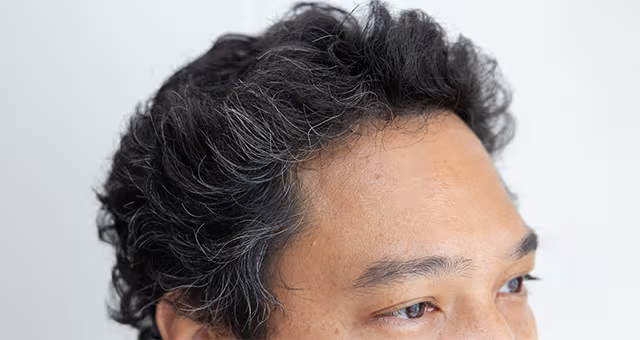
17 Expert-Backed Healthy Hair Tips: Build Strong, Shiny Hair Naturally (2026)
Introduction: Why Healthy Hair Is All About Consistent Habits (Not Miracle Products)
Scroll through any social media platform, and you’ll find countless viral “miracle hair products” that promise instant growth, zero frizz, and salon-worthy shine overnight. But the truth trusted by professional stylists and dermatologists is simple: healthy, strong, shiny hair does not come from one single product. It comes from consistent, gentle, science-backed daily habits.
Whether you struggle with dry brittle strands, frizzy texture, frequent breakage, hair thinning, color-damaged locks, or slow hair growth, lasting improvements come from small, sustainable changes in your routine, diet, and lifestyle. Hair health is a reflection of how you protect, nourish, and care for both your strands and your scalp.
In this complete guide, we break down 17 expert-approved healthy hair tips to help you build a personalized, low-maintenance hair care routine that delivers thicker, stronger, glossier hair long-term.
1. Stick to a Simple, Consistent Hair Care Routine
One of the most common hair care mistakes is constantly switching shampoos, conditioners, and treatments in search of faster results. Your hair needs stability to adapt, repair, and improve. Frequent product swapping disrupts your scalp’s natural balance and slows down progress.
A high-effective yet simple daily hair routine includes only essential steps:
-
Scalp-specific shampoo for your oil and sensitivity level
-
Hydrating conditioner for mid-lengths and ends
-
Leave-in conditioner or heat protectant for daily defense
-
Weekly deep conditioning mask
-
Targeted repair treatments for damaged hair as needed
The best hair routine is never the most complicated one — it’s the one you can maintain consistently.
2. Minimize Heat Styling to Prevent Breakage & Dryness
Blow dryers, flat irons, and curling wands are the leading causes of preventable hair damage. Excessive heat gradually wears away the hair cuticle — the outer protective layer of each strand — leading to dryness, dullness, split ends, breakage, and rough texture over time.
If heat styling is part of your daily look, follow these protective rules:
-
Always apply a heat protectant before using hot tools
-
Use the lowest temperature setting that works for your hair texture
-
Avoid repeatedly styling the same hair section
-
Swap heat tools for heatless curls, braids, or hair wraps whenever possible
3. Fuel Hair Growth With Nutrient-Rich Foods
Beautiful hair grows from the inside out. Hair follicles rely on a steady supply of vitamins, minerals, and protein to produce thick, strong hair strands. Poor nutrition, crash diets, and restrictive eating habits often lead to thinning hair, slow growth, and brittle texture.
To support optimal hair health, prioritize meals rich in these key nutrients:
-
Protein: Eggs, chicken, fish, beans (builds keratin for strong hair)
-
Iron: Spinach, lentils, red meat (prevents hair shedding)
-
Omega-3 fatty acids: Salmon, walnuts, chia seeds (boosts shine and scalp health)
-
Vitamin C: Berries, citrus (aids collagen production and nutrient absorption)
-
Zinc & B Vitamins: Nuts, seeds, whole grains (supports healthy follicle function)
4. Use Hair Oils Strategically (Know Which One Works for You)
Hair oils are excellent for smoothing frizz, locking in moisture, and softening dry ends — but they cannot fix permanently broken or chemically damaged hair. Choosing the right oil for your hair type maximizes benefits without weighing strands down.
-
Coconut Oil: Locks in moisture, reduces dryness, and softens coarse hair
-
Argan Oil: Lightweight, perfect for smoothing frizz and adding natural shine
-
Jojoba Oil: Matches the scalp’s natural sebum, ideal for dry and sensitive scalps
-
Rosemary Oil: Supports scalp circulation and healthy hair growth
5. Prioritize Scalp Health for Stronger Hair Growth
Healthy hair starts with a healthy scalp. Many people only focus on conditioning their hair ends while ignoring common scalp issues like excess oil buildup, dryness, flaking, itching, and irritation. An unhealthy scalp directly leads to weak growth, dull hair, and increased shedding.
Build a simple scalp care routine:
-
Wash your hair regularly based on your scalp’s oil production
-
Avoid harsh scrubbing that irritates the scalp barrier
-
Remove product buildup weekly
-
Protect your scalp from direct sun damage
Persistent redness, severe flaking, or constant itching requires a dermatologist’s professional evaluation.
6. Use Weekly Deep Conditioning Treatments
Daily conditioners only provide surface-level hydration. A weekly deep conditioning hair mask acts as a reset button for tired, dry, damaged hair, restoring long-lasting moisture, softness, and manageability.
Look for deep conditioner ingredients like shea butter, coconut oil, argan oil, keratin, hyaluronic acid, and ceramides. Fine hair benefits from once-weekly treatments, while color-treated, heat-damaged, and curly hair can benefit from more frequent deep conditioning.
7. Choose Products Tailored to Your Exact Hair Type
Viral trending products do not work for every hair texture. The key to healthy hair is matching your products to your unique needs.
-
Dry Hair: Prioritize moisturizing, oil-infused repair formulas
-
Oily Hair: Stick to lightweight, gentle, non-greasy cleansing products
-
Curly Hair: Focus on deep hydration and frizz control with gentle handling
-
Fine Hair: Avoid heavy creams and excess oil that flatten strands
8. Sleep on Silk or Satin Pillowcases
Cotton pillowcases create significant friction against your hair overnight, causing frizz, tangling, cuticle damage, and breakage. Switching to silk or satin pillowcases drastically reduces friction, preserves hair moisture, and keeps your hair smooth and tangle-free while you sleep.
9. Understand How Overall Health Impacts Your Hair
Sudden hair thinning, excess shedding, and texture changes are often body warning signs. Thyroid imbalances, nutrient deficiencies, hormonal fluctuations, and chronic stress all directly impact hair follicle health and growth cycles.
Regular body check-ups help identify underlying health issues that affect your hair, allowing you to address problems at the source.
10. Manage Stress to Reduce Hair Shedding
Stress is one of the most overlooked causes of poor hair health. High cortisol levels disrupt the hair growth cycle, slowing growth, increasing shedding, and altering natural hair texture.
Incorporate stress-relief habits like regular exercise, meditation, consistent sleep schedules, and screen-free relaxation time to protect both your mental health and your hair health.
11. Protect Your Hair From UV Sun Damage
Your scalp and hair are vulnerable to harmful UV rays just like your skin. Prolonged sun exposure causes dryness, faded color, brittle strands, and weakened hair structure.
Protect your hair outdoors by wearing sun hats, using UV-protective hair products, and avoiding direct midday sun exposure during peak hours.
12. Exercise Regularly to Boost Scalp Circulation
Consistent exercise improves full-body blood circulation, delivering more oxygen and nutrients to your scalp and hair follicles. Better circulation supports healthier hair growth, stronger strands, and reduced stress. Always stay hydrated after workouts to maintain hair and body hydration.
13. Wash Your Hair According to Your Scalp Needs
There is no universal “correct” hair washing frequency. Some scalps produce oil rapidly and need daily washing, while others thrive with washing 2–3 times per week.
Customize your schedule based on your scalp oil level, daily activity, sweat buildup, and product usage. The best routine keeps your scalp fresh and balanced without over-drying your strands.
14. Be Gentle With Daily Styling & Handling
Most hair breakage happens from daily physical tension, not just heat damage. Tight ponytails, tight braids, aggressive brushing, and rough towel drying slowly damage hair cuticles over time.
Prevent unnecessary damage by wearing loose hairstyles, using soft silk scrunchies, detangling with wide-tooth combs, and patting hair dry gently instead of rubbing vigorously.
15. Use Protein Treatments for Chemically Damaged Hair
Hair is primarily made of keratin protein. Coloring, bleaching, and frequent heat styling strip hair of natural protein, leaving strands weak, porous, and prone to breakage.
Targeted protein treatments strengthen weakened strands, reduce breakage, and restore a smoother texture. Note that balance is key — overusing protein treatments can stiffen hair, so always pair them with hydration.
16. Ignore Trends — Listen to Your Unique Hair
Every person’s hair is uniquely different. A viral routine that works perfectly for someone else may cause dryness, oiliness, or breakage for you.
Pay attention to how your hair and scalp feel after using products, track changes in shedding and texture, and adjust your routine based on your personal results instead of following trends blindly.
17. Know When to See a Hair & Scalp Dermatologist
Many hair concerns cannot be fixed with at-home routines alone. Seek professional dermatologist care if you experience sudden excessive shedding, bald patches, rapid thinning, persistent scalp pain, irritation, or stunted hair growth. Early diagnosis helps resolve issues before they become long-term problems.
Final Thoughts: Healthy Hair Is Built on Consistency, Not Perfection
Gorgeous, strong, shiny hair does not happen overnight. It is built through small, repeated healthy habits: nourishing your body from within, protecting strands from daily damage, maintaining a clean balanced scalp, using suitable products, and staying consistent with your routine.
You don’t need an elaborate, time-consuming hair care routine. You just need a sustainable, personalized routine that supports your hair’s unique needs every single day.

发表回复