
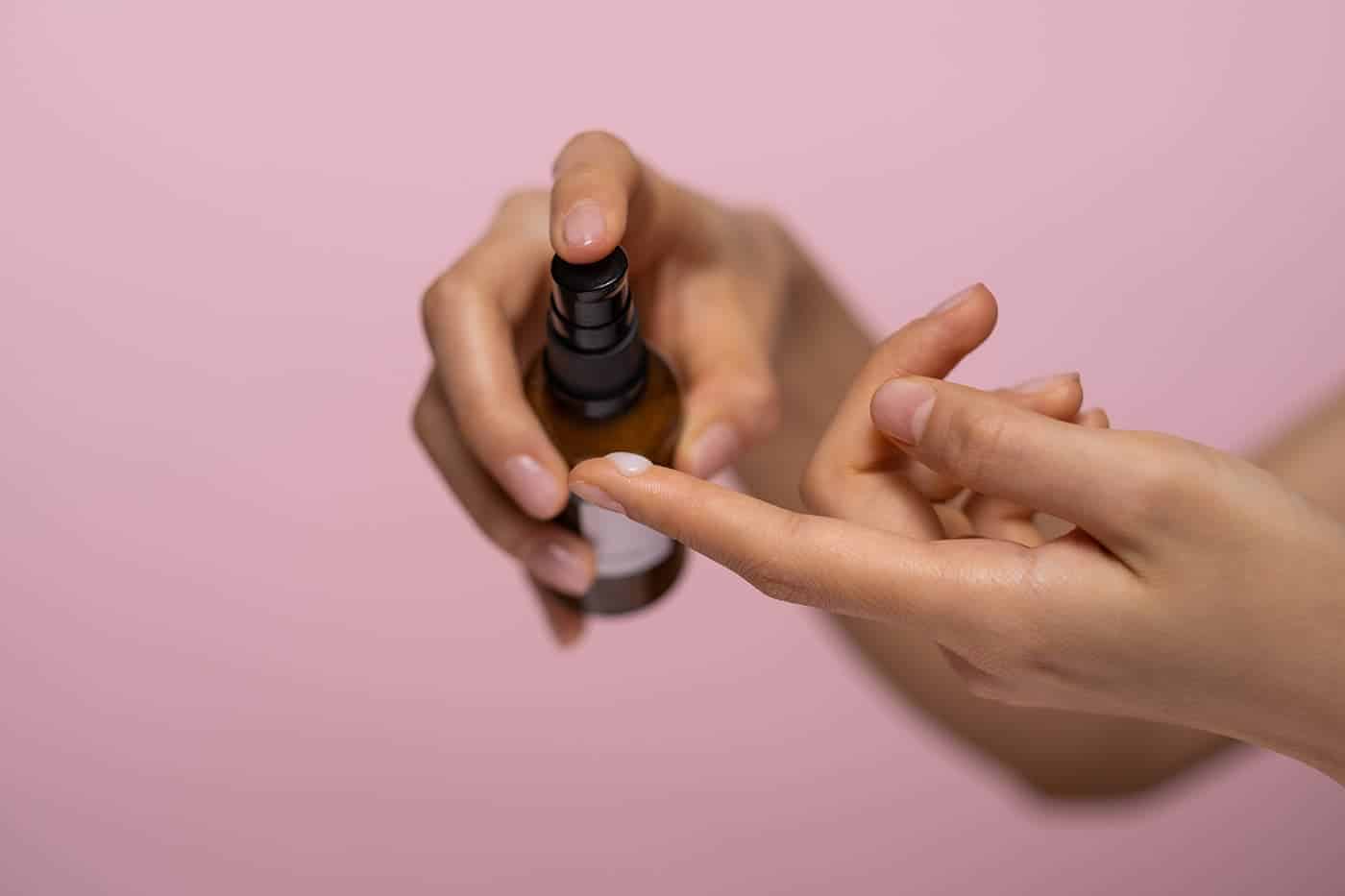
Retinol is arguably the most talked-about skincare ingredient of the past decade, and for good reason. It is one of the few ingredients backed by decades of clinical research proving its ability to reduce wrinkles, fade dark spots, improve skin texture, and fight acne. Yet despite its popularity, retinol remains misunderstood. Beginners often experience irritation, give up too soon, or use it incorrectly and see no results. This guide cuts through the hype and gives you the facts you need to start using retinol safely and effectively.
What Is Retinol, Exactly?
Retinol is a form of vitamin A that belongs to a family of compounds called retinoids. When applied to the skin, retinol is converted into retinoic acid, the active form that communicates with skin cells to accelerate cell turnover. This means that old, damaged skin cells are shed more quickly and replaced with fresh, healthy ones. The result is smoother texture, more even tone, and a reduction in fine lines over time. Retinol is available over the counter in various strengths, while stronger retinoids like tretinoin require a prescription.
The Benefits: What Retinol Actually Does
The research on retinol is extensive and compelling. Regular use of retinol has been shown to stimulate collagen production, which helps plump the skin and reduce the appearance of fine lines and wrinkles. It accelerates cell turnover, which means dull, dead skin is replaced more quickly, resulting in a brighter, smoother complexion. It also helps regulate oil production, making it effective for acne-prone skin. Additionally, retinol fades hyperpigmentation — including sun spots, age spots, and post-acne marks — by promoting the shedding of pigmented cells. Perhaps most importantly, retinol is one of the few ingredients with proven preventative effects: it helps prevent new signs of aging from forming, making it valuable even for younger skin.
The Catch: Why Retinol Gets a Bad Reputation
If retinol is so wonderful, why do so many people abandon it within the first week? The answer is the retinization process. When you first start using retinol, your skin goes through an adjustment period that can include redness, dryness, flaking, mild burning, and even temporary breakouts. This is completely normal and usually lasts two to six weeks. The problem is that many beginners interpret these side effects as an allergic reaction and stop using the product. In reality, the retinization process is your skin adapting to accelerated cell turnover. Pushing through this phase is essential to seeing results.
How to Start: The Golden Rules
Starting retinol correctly can make the difference between a positive experience and a miserable one. Follow these rules to minimize irritation and maximize results. First, start with a low concentration. Over-the-counter retinol typically ranges from 0.1% to 1%. Beginners should start at 0.2% or 0.3%. If even this causes excessive irritation, dilute it by mixing a pea-sized amount with your moisturizer. Second, use it at night only — retinol breaks down in sunlight, making it less effective during the day. Third, start with a low frequency: apply once or twice a week for the first two weeks, then gradually increase to every other night, and eventually every night if your skin tolerates it well. Fourth, always follow with a moisturizer to buffer the retinol and keep the skin barrier healthy.
What Not to Mix with Retinol
Retinol is a powerful ingredient, and combining it with certain other actives can cause serious irritation. Avoid using retinol in the same routine as alpha hydroxy acids (AHAs) like glycolic or lactic acid, or beta hydroxy acids (BHAs) like salicylic acid. If you want to use both, alternate nights: retinol one night, acids the next. Vitamin C is another ingredient that is best used at a different time — apply vitamin C in the morning and retinol at night. Benzoyl peroxide can deactivate retinol, so if you use it for acne, apply them at different times. The one exception to the mixing rule is hyaluronic acid and ceramides — these hydrating ingredients pair beautifully with retinol and can actually help reduce irritation.
Sunscreen: Non-Negotiable
Retinol makes your skin more sensitive to the sun because it accelerates the shedding of the top layer of skin that provides some natural UV protection. This means that wearing sunscreen every morning is absolutely non-negotiable when using retinol. Without sunscreen, you are not only increasing your risk of sun damage, but you are also undermining the very benefits retinol provides — sun damage causes the wrinkles and dark spots that retinol is working to correct. Use a broad-spectrum SPF 30 or higher every single day, and reapply if you will be outdoors for extended periods.
When Will You See Results?
Patience is critical with retinol. Unlike ingredients that provide immediate hydration or temporary plumping, retinol works at a cellular level, and visible results take time. Most people begin to notice smoother skin texture after four to six weeks of consistent use. Reductions in fine lines typically become visible after three to six months. Fading of dark spots can take six months or longer. Collagen production benefits compound over years, meaning that the skin of someone who has used retinol for five years looks noticeably younger than it would have otherwise. The takeaway: retinol is a marathon, not a sprint. Commit to at least three months before evaluating results.
Choosing the Right Retinol Product
The sheer number of retinol products on the market can be overwhelming. Here are some guidelines for choosing the right one. Look for retinol packaged in opaque, air-tight containers — retinol degrades when exposed to light and air, so pumps and tubes are far better than open jars. Check the concentration on the label — if it is not listed, the product likely contains a negligible amount. Consider the formulation: retinol serums are the most common and are easy to layer with other products, but retinol creams and oils are also available and may be gentler on dry skin. Some modern formulations use encapsulated retinol, which releases the ingredient slowly throughout the night, reducing irritation while maintaining effectiveness. If you have sensitive skin, look for products that combine retinol with soothing ingredients like niacinamide or ceramides.
Who Should Avoid Retinol?
While retinol is safe for most people, there are a few exceptions. Pregnant and breastfeeding women should avoid retinol and all retinoids, as high doses of vitamin A have been linked to birth defects. If you have eczema, rosacea, or severely compromised skin barrier, consult a dermatologist before starting retinol, as it may aggravate these conditions. If you are using prescription medications for acne or other skin conditions, check with your doctor before adding retinol to avoid interactions. For everyone else, retinol is a safe and highly effective addition to a skincare routine when introduced gradually and used consistently.
Retinol is not a miracle, but it is the closest thing skincare has to one. No other over-the-counter ingredient has the same depth of research supporting its anti-aging and skin-improving benefits. The key to success is managing expectations: start low, go slow, moisturize generously, and never skip sunscreen. Give it at least three months of consistent use before judging the results. Your future skin will thank you for the investment.
